
What’s the most trafficked animal 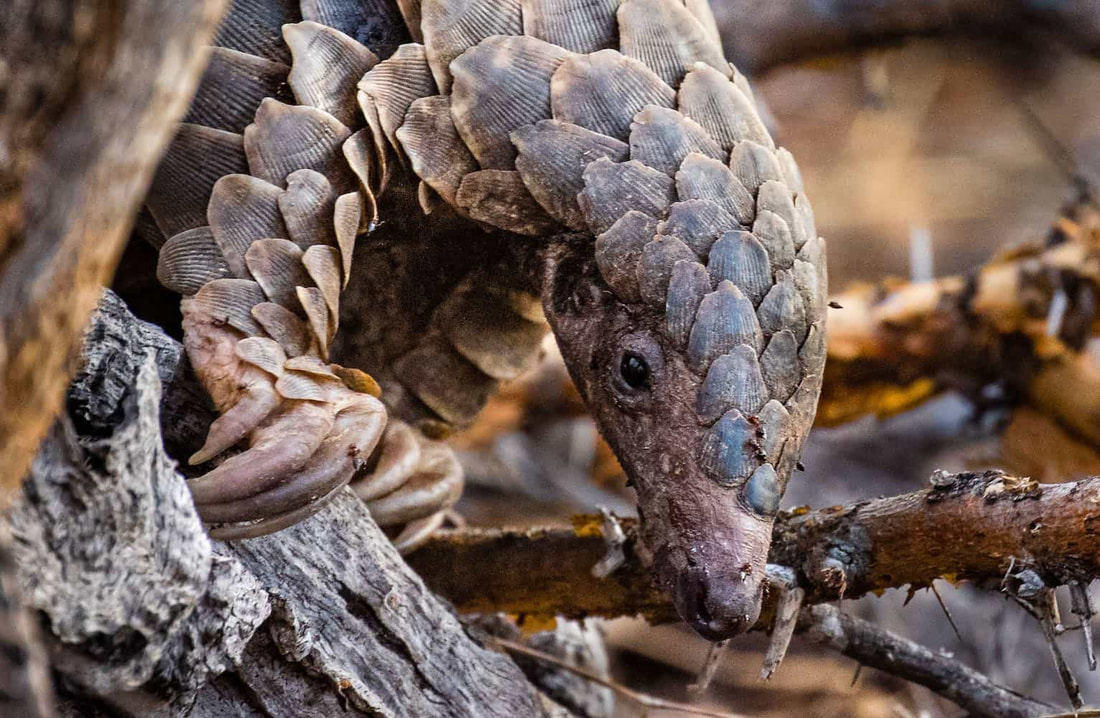 Pangolins rely significantly on their sense of smell and hearing due to their weak eyesight. As a result, they are able to detect both their prey and the presence of potential dangers. The Pangolin is an average sized mammal with overlapping scales covering its body and a small head. Despite being the most trafficked animal in the world, many have not heard of it. This may be because the pangolin is highly secretive and tends to hide itself away from people, other animals, and even other pangolins. There are a total of 8 species of Pangolin residing in Asia and Africa, named after their geographical location, habitat, and physical characteristics. A unique physical characteristic that separates them are the bristle-like hairs between the scales on the Asian Pangolin, which the African Pangolin does not have. As mentioned before, these mammals are the most trafficked in the world. This is because their scales are believed to have health benefits to the human society. Interestingly, their scales are made of Keratin, a protein which can be found in human nails and hair as well. It is also because their meat is considered a delicacy in some places. This entails that all pangolin species are critically endangered. 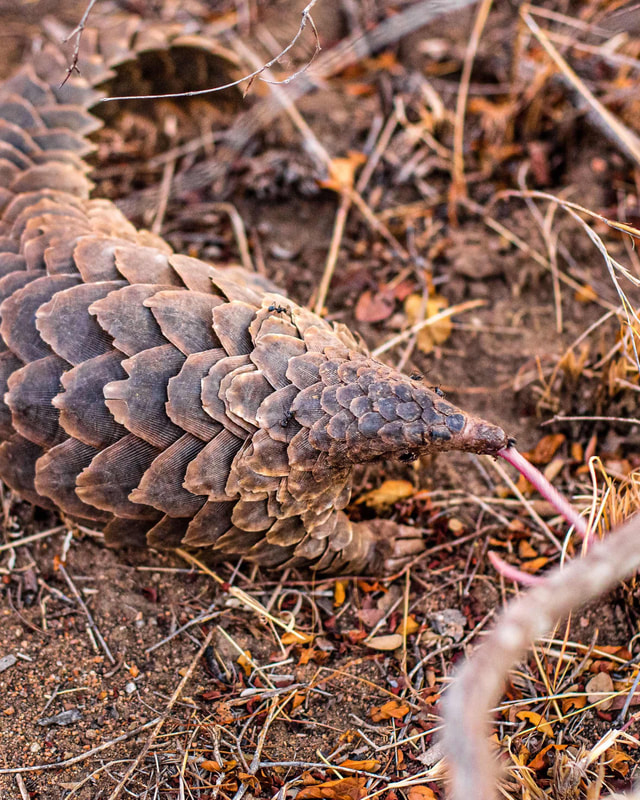 Pangolins are insectivorous, meaning they consume insects, and the majority of their food consists of ants and termites, which they grab with their incredibly long, sticky tongues. The length of their extended tongues can reach up to 40 cm (14 in), making them very similar in appearance to the tongues of anteaters. I am a Pangolin, an insect eating mammal. I eat a substantial amount of 200 000 insects per day, due to the extraordinarily little amount of nutrients in each insect. Unlike other animals, my tongue is connected to my rib cage and sits in the chest cavity instead of my mouth. It is sticky and long, this is how I grasp many insects at once. We often swallow stones to help digest our food as we do not have teeth. The stones act as teeth and grind food in our stomachs until they are small enough to excrete. Our eyesight is terribly poor due to our nocturnal nature, though our hearing and smell assists us in finding food. 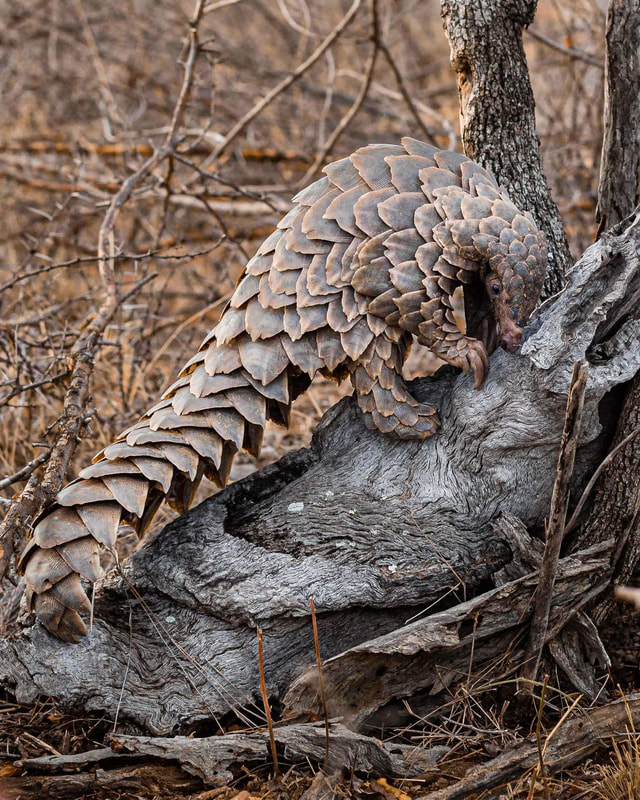 Twenty percent of a pangolin's body mass is accounted for by its tough scaly exterior. Their scales seem more like pine cones than anything a reptile would have. We are harmless and innocent, and do not pose any threat to humans or animals, yet our species is endangered. Our only hope beyond the wild is humankind preserving us and allowing us to live in our natural habitats, in this way we would have a fair chance to survive and even grow as a species. How many Pangolin species are there?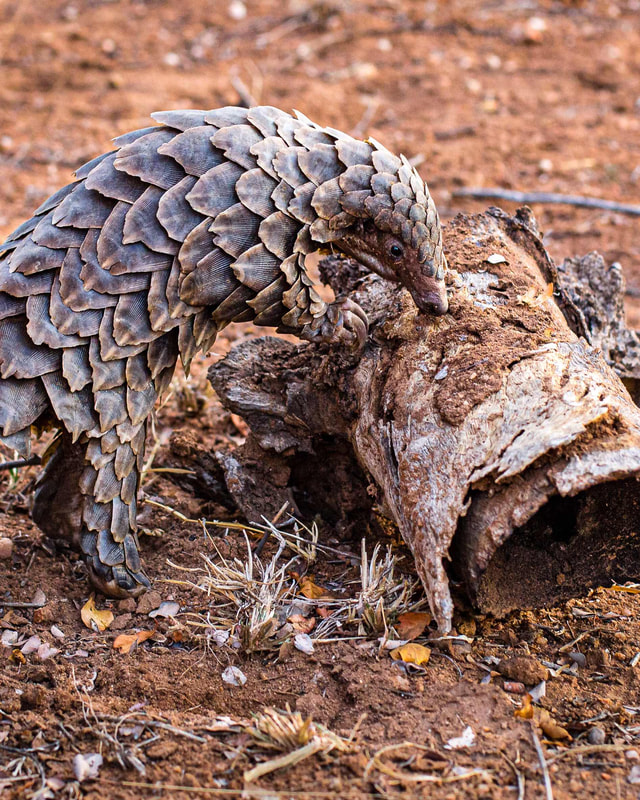 According to the IUCN, nearly a million pangolins were captured in the previous decade. This illicit hunting and trading is mostly motivated by rising demand from the Far East, particularly China and Vietnam. Their flesh is a delicacy, and their scales are utilized in traditional medicine. Our planet is home to eight pangolin species. Four of those species are named for the nation in which they are found. The Chinese Pangolin, Sunda Pangolin, Indian Pangolin, and Philippine Pangolin are the four species. Other species allude to their chosen habitat. The Tree Pangolin and Temmink's Ground Pangolin are the two species. The final two species allude to physical traits that are exclusive to the species. These are the huge pangolin and the long-tailed pangolin. Why do Pangolins have long claws?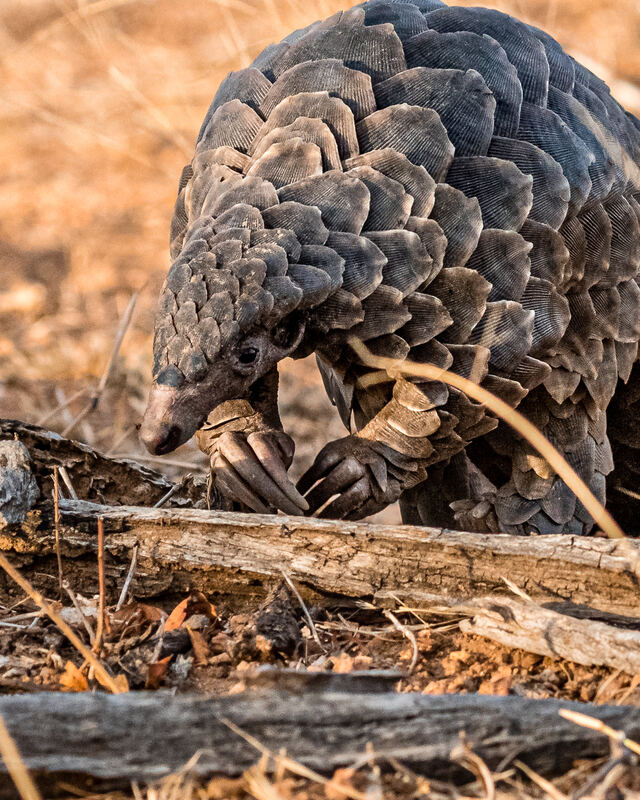 Pangolins enjoy living in deep burrows, thus they must be able to dig into the rough terrain. Because of this, their claws are long and curved. Pangolin claws can easily rip open anthills and termite nests. Some of you may have experience clearing anthills and termite nests from your house. If you don't, let us tell you that work is hard and tiring, even when you're using modern tools. It's incredibly easy for the pangolins, though. Their long sharp claws allow them to make quick work on the hard walls of the ant or termite colony. And once the walls have fallen, the pangolin's enjoys a fine dining session. How do Pangolins travel?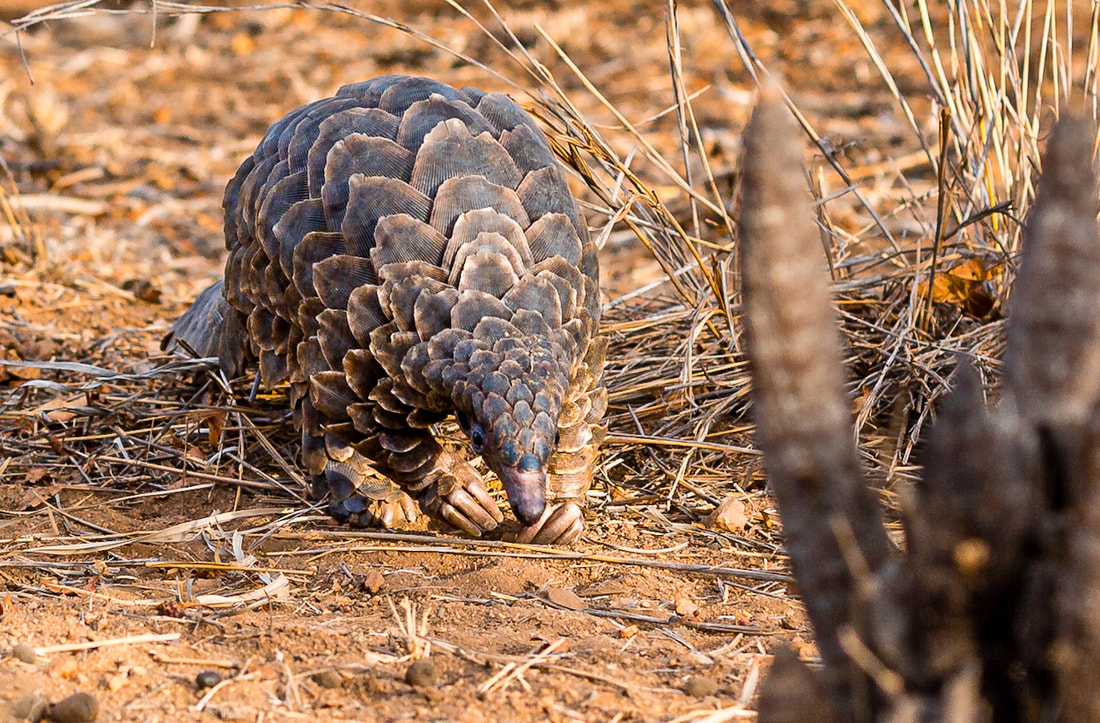 The second biggest threat to pangolins is habitat loss. As more and more land being converted for agriculture and farming, the pangolin's habitat is shrinking. The pangolins are bipedal. Here's something startling and shocking about pangolin reality: Pangolins have always been walking and running on their hind legs. They keep both their forelegs and their tail off the ground to help maintain equilibrium. Comments are closed.
|
Categories
All
Archives
October 2023
|