
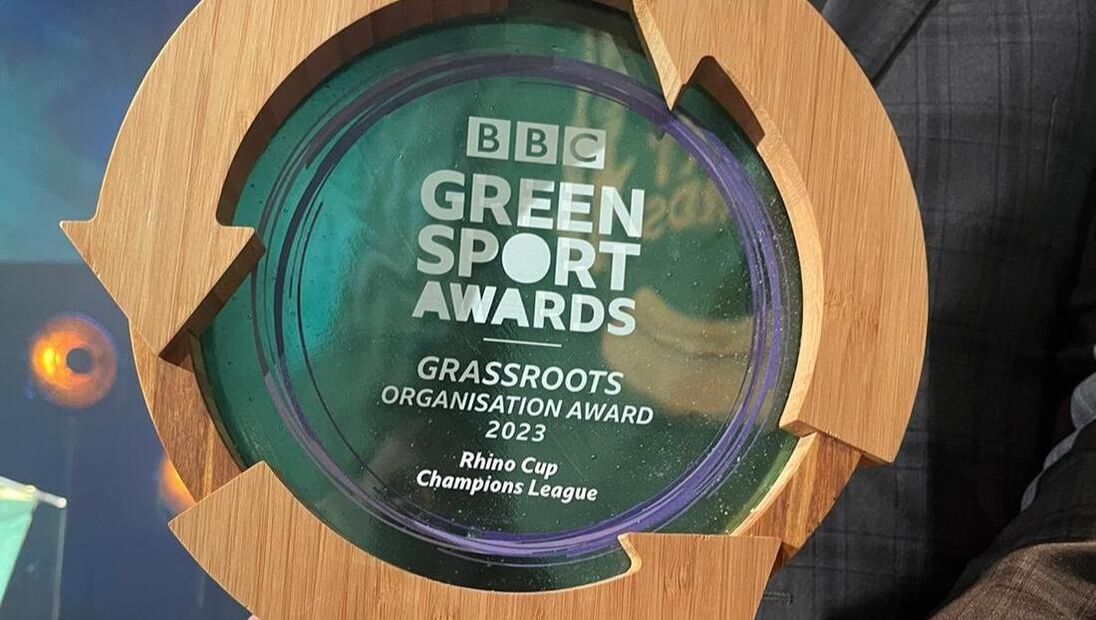
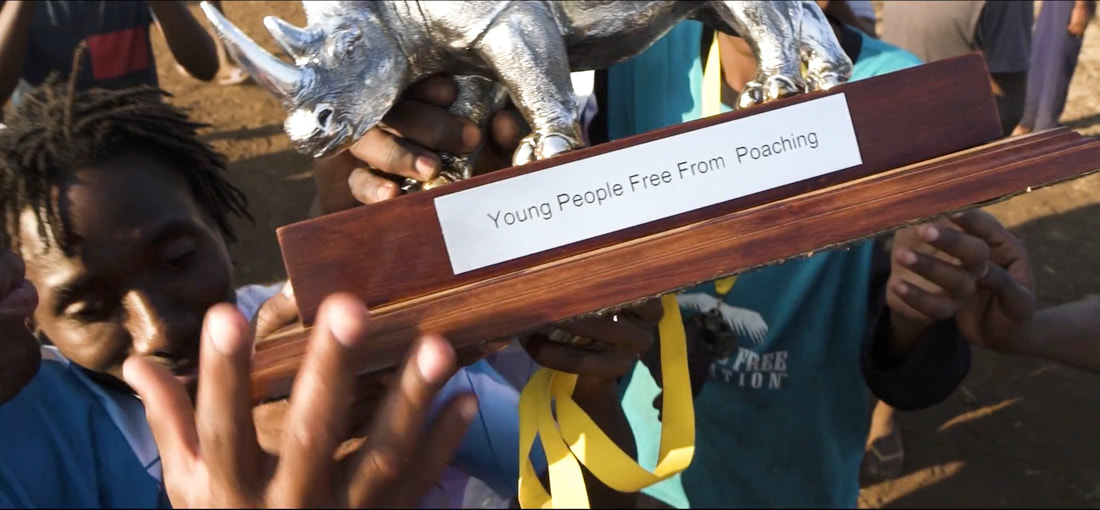
 Wild and Free Foundation is committed to both empowering communities and safeguarding Africa's rhinos. The Rhino Cup Champions League was globally recognized for its efforts when it received the Grassroots Organization of the Year Award at the BBC Green Sport Awards for 2023. Wild and Free Foundation is thrilled to share the incredible news: On October 2, 2023, the Rhino Cup Champions League was awarded the Grassroots Organization of the Year Award at the BBC Green Sport Awards 2023! Our team is buzzing with excitement, and we want to convey just how ecstatic, surprised, and profoundly grateful we are for this honor. This recognition not only acknowledges the incredible effort going into the community’s Rhino Cup Champions League initiative but also amplifies Wild and Free Foundations’s message of conservation and community empowerment. "The Rhino Cup Champions League is a very different approach at raising sustainability awareness, but it's a very successful one. It has already grown as a competition to neighbouring countries and will only raise more climate awareness the more it grows." BBC Sport 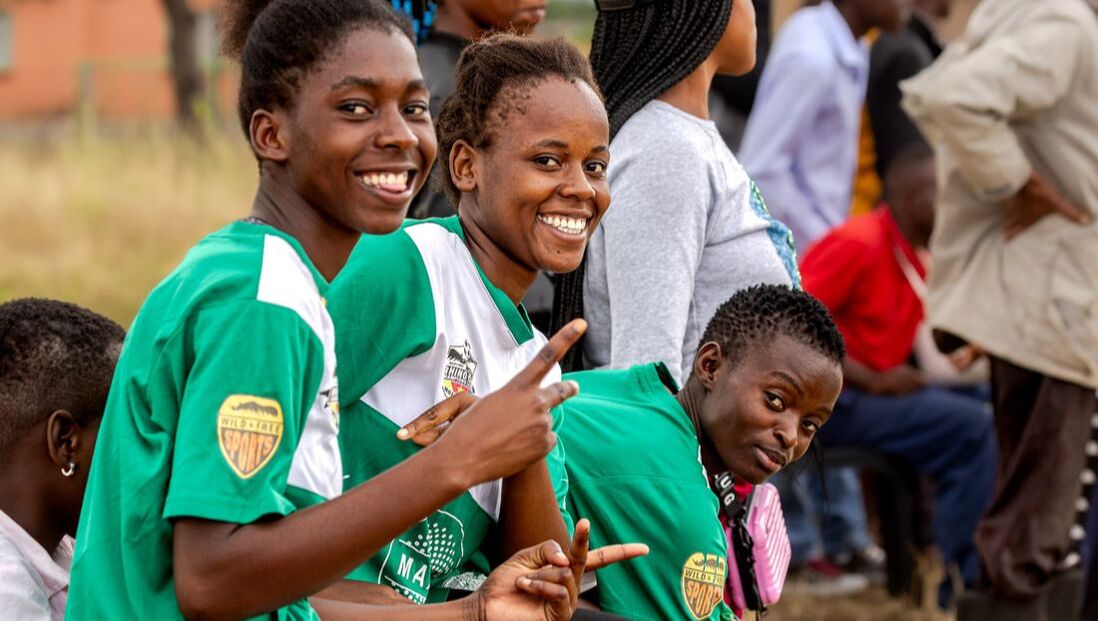 The Rhino Cup Champions League symbolizes hope, joy, and transformation, which are evident in the expressions of three female football players from the club Judeus FC Crocodiles in the RCCL Mozambique Girl’s League, proudly sponsored by Maxwell. The Rhino Cup Champions League initiative has been recognized and was nominated for the Grassroots Organization of the Year Award as part of the BBC Green Sport Awards 2023. The Green Sport Awards are part of the BBC's commitment to a greener future and are designed to use the power and passion of sport for a positive effect. The awards celebrate individuals and organizations from across the globe who are actively contributing to a more sustainable future through their sporting profile and practices. This year there are five categories: Athlete of the Year, Young Athlete of the Year, Evergreen Athlete 2023, Elite Organization of the Year Award, Grassroots Organization of the Year Award. The awards offer the chance to tell some positive and inspiring stories as well as raise awareness of issues with some audiences that may not be fully engaged on the subject. BBC Sport also recognizes its obligation to be a strong force for good inside the sport and broadcast industry and so to that end the BBC Sport have partnered with Sport Positive Summit. Combining the two events also has obvious benefits in terms of their own emissions and planning. Donate to a 501(c)(3) NPO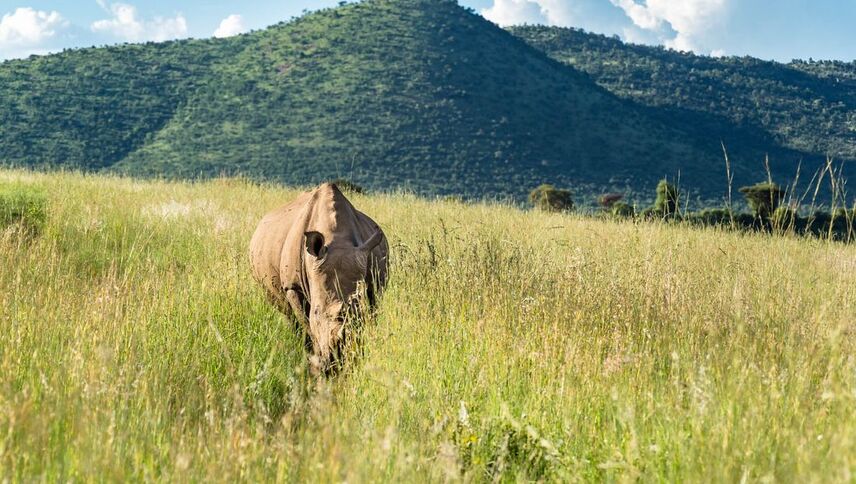 I am a male white rhino; I weigh 1,800-2,500 kilograms when I am fully grown. We commonly reach sexual maturity between 10 – 12 years of age when we begin searching for mates. I am an overly solitary animal and will only associate myself with a female who is in the process of getting ready to mate.
You are interested in learning more about A 501(c)(3) NPO, correct? Perhaps you are on the fence about making a donation, or doubtful about charitable giving? Let's make a difference to that today by discussing the advantages of contributing to nonprofit organizations, the several ways in which you may make a donation, and the goals of Wild and Free Foundation. What alternatives exists to |
Can we find another way to
save the rhino?
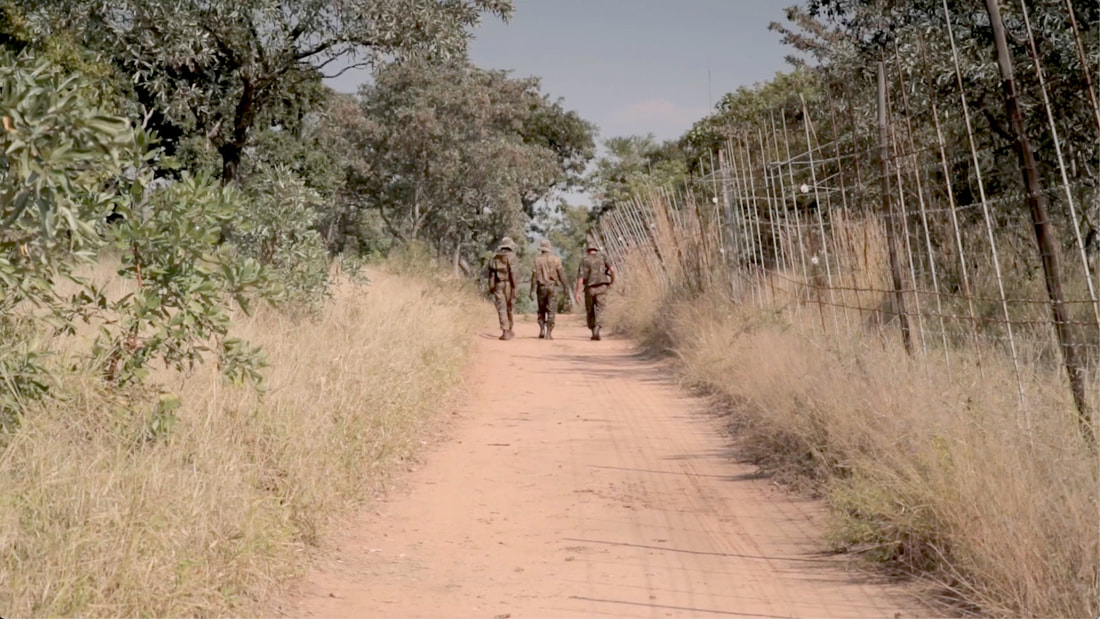
Anti-poaching rangers patrolling a game reserve fence in Southern Africa.
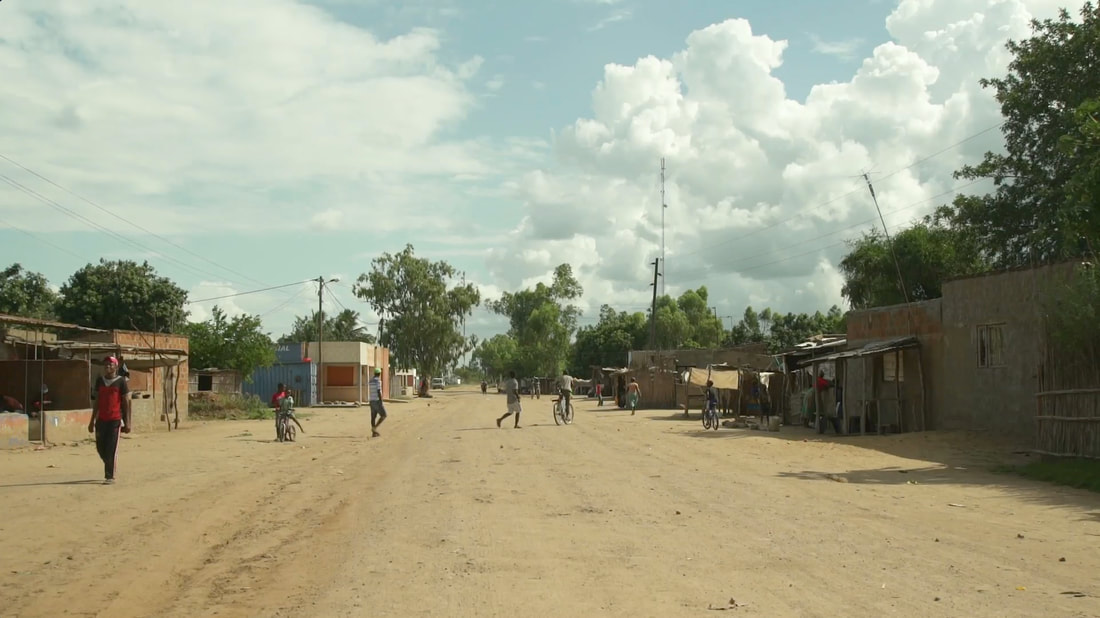
Extremely poor communities in Mozambique are located right next to the last remaining rhinos. These people are persuaded to poach rhinos for money. Providing other activities and opportunities will decrease their dependence on poaching.
We want communities to stand together and create sustainable solutions for income and livelihood, allowing nature and humans to strive together.
What can be done to pull these communities together?
Thank you to all the
Wild and Free donors!
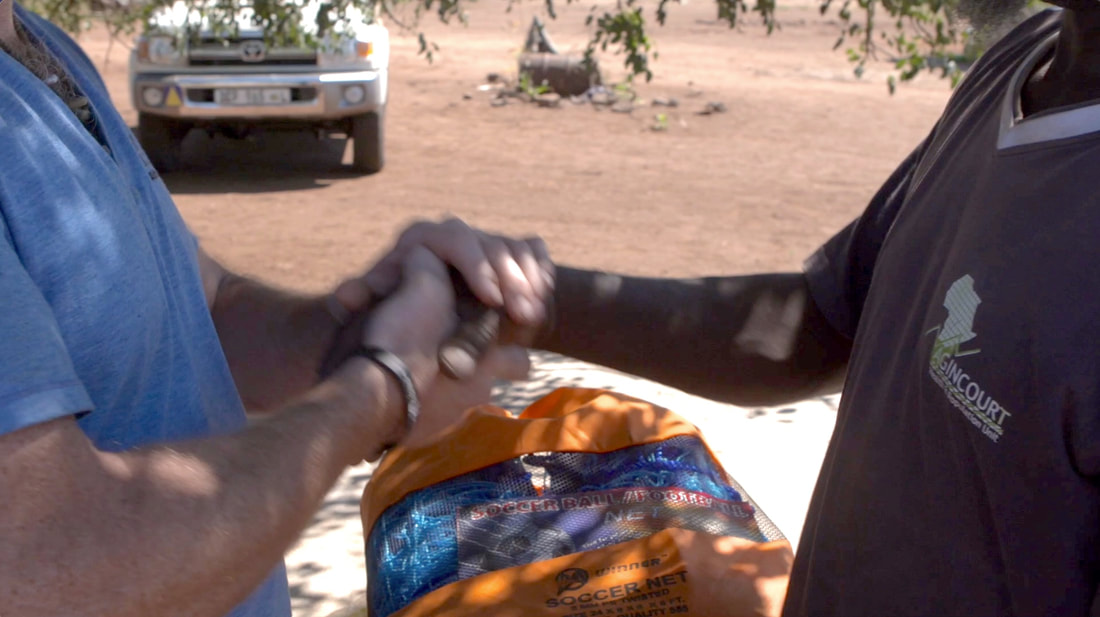
Matt Bracken shakes hands after Wild and Free delivers soccer equipment to the team manager of the Mavunguane soccer team in Mozambique. The 2017 Rhino Cup marked the start of a new journey for change.
Being able to hand over soccer kits to the community in Mozambique was like Christmas in April 2017, for us and them!
We want the soccer league we're developing to be official so it uplifts morale and gets them excited. Shoes, nets, balls, referee gear, whistles, field flags, we've got it all!
Thank you to our Wild and Free Foundation donors for making this possible.
Being able to hand over soccer kits to the community in Mozambique was like Christmas in April 2017, for us and them!
We want the soccer league we're developing to be official so it uplifts morale and gets them excited. Shoes, nets, balls, referee gear, whistles, field flags, we've got it all!
Thank you to our Wild and Free Foundation donors for making this possible.
How can we initiate change
in conservation?
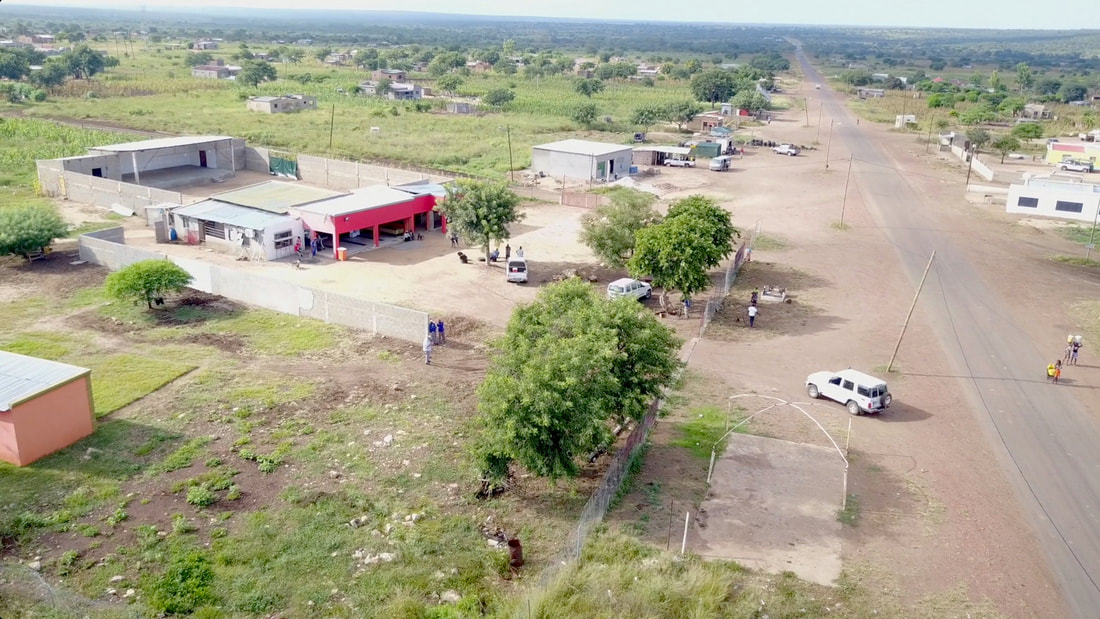
Wild and Free Foundation members arriving at a discussion held at Richard’s Tavern in Corumana, Mozambique, about expanding the soccer project. Image from the Wild and Free Community meeting, April 2017.
An expedition led by the Wild and Free Foundation met with chiefs, elders, soccer players/rhino poachers, and community members in Mozambique to discuss a potential possibility that may benefit the community and save the rhinos.
The following video is an account of the events.
How can we make
conservation inclusive?
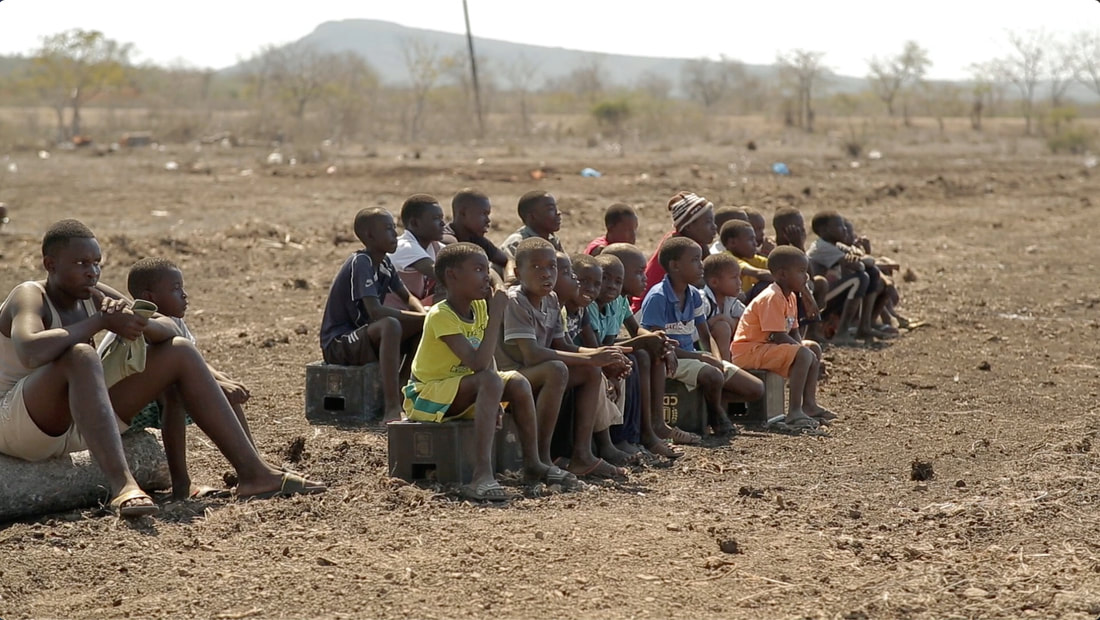
When local kids see their favorite team on the field, they start dreaming of one day playing for that team. Image that represents the start of the Rhino Cup journey, August 2016.
"The community is part of conservation. You cannot manage a reserve from the inside out, you must manage it from the outside in."
Ferdie Terblanche
Sabie Game Park Ranger
Many underprivileged communities see conservation as a "threat" to them.
Are you game to go out of your comfort zone and initiate contact with them to begin collaborating on a solution to the issue?
How can we save the African Rhino?
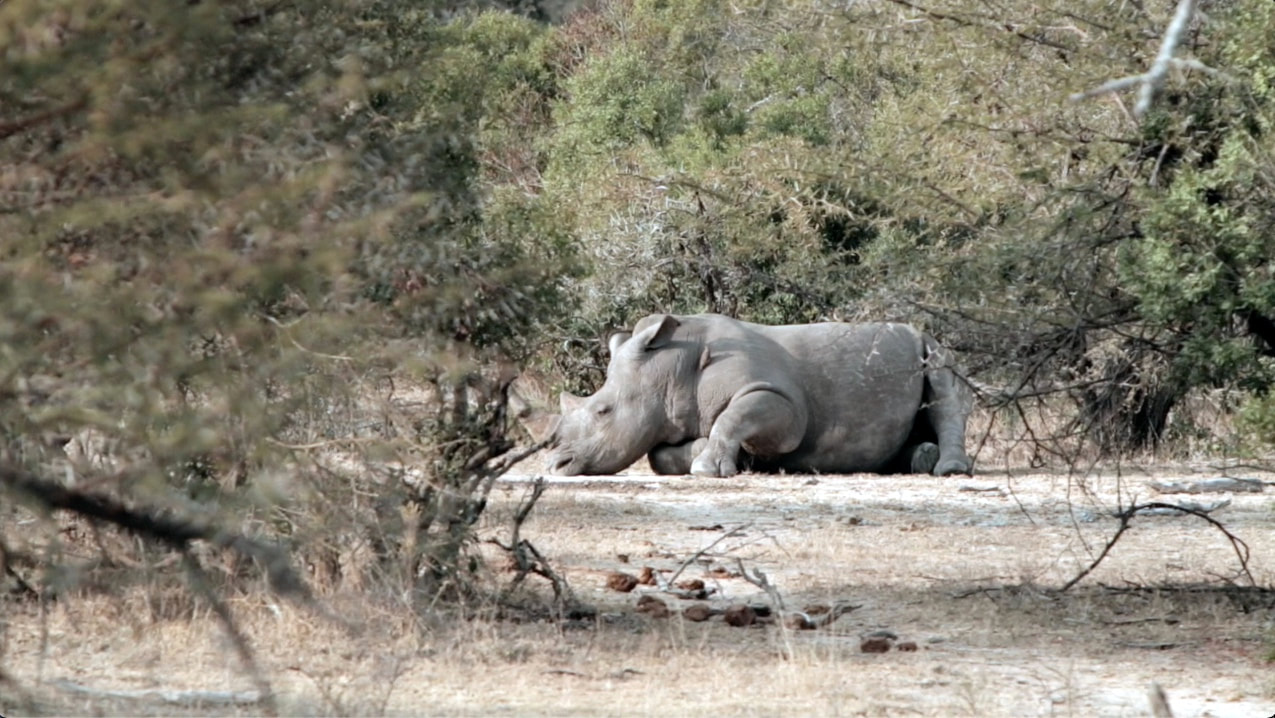
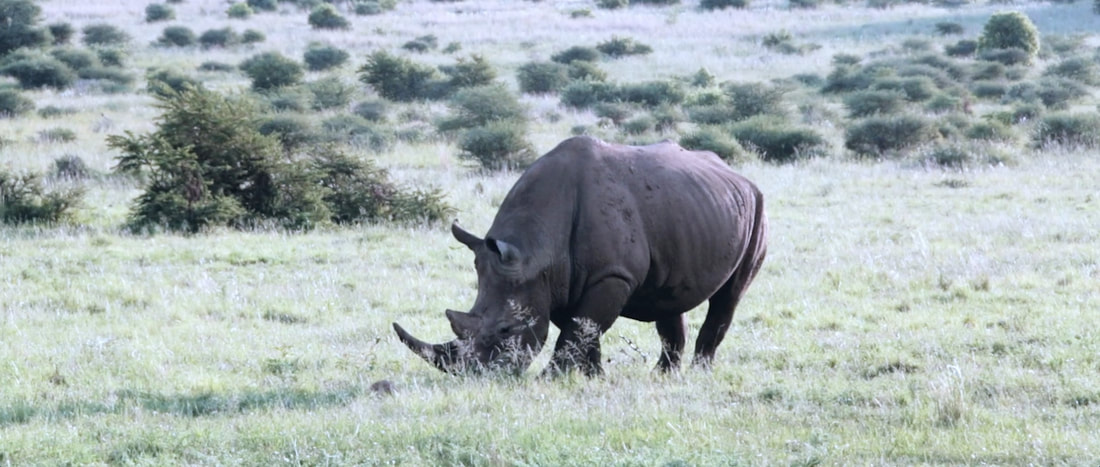
As the sun warms the African landscape, a white rhino bull is relaxing in the bushveld.
Can you accept that rhino poaching will not go away?
Matt Bracken, the founder of the Wild and Free Foundation, gets realistic in this video about what's happening to the world's remaining rhinos and what we can do to preserve them.
Can you accept that rhino poaching will not go away?
Matt Bracken, the founder of the Wild and Free Foundation, gets realistic in this video about what's happening to the world's remaining rhinos and what we can do to preserve them.
The Vision of
Wild and Free Foundation!
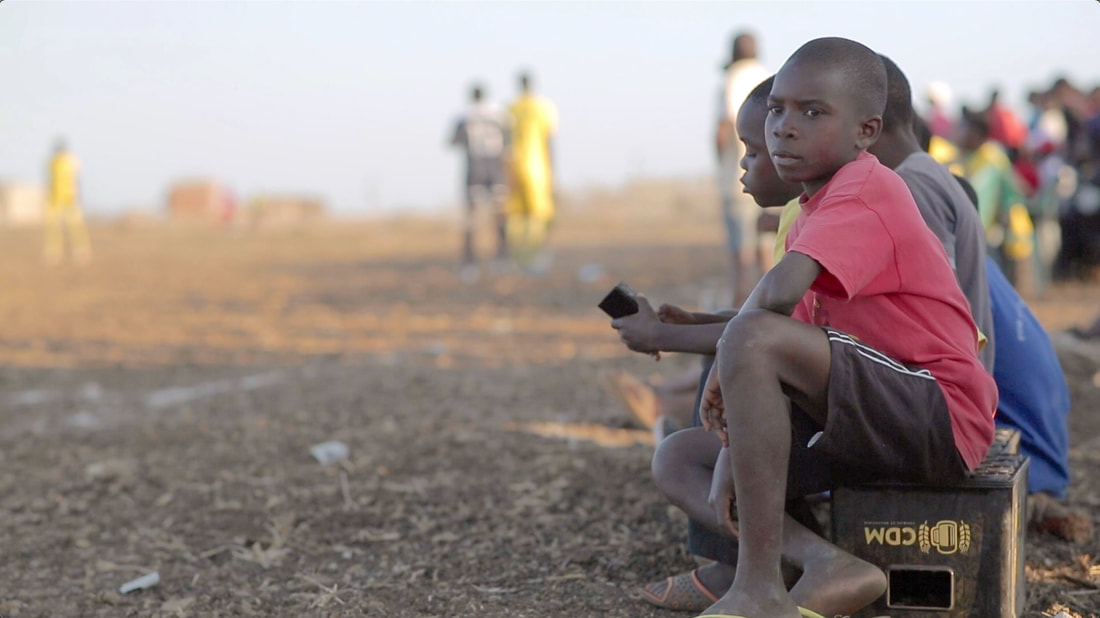
An image of a young soccer fan sitting on an old beer crate and supporting the Club de Corumana and Freitas FC teams, sitting next to the dusty gravel pitch of Corumana soccer field, August 27, 2016. Wild and Free Foundation's goal is to create a community driven conservation initiative.
Our vision is for conservation to be a community driven initiative, without guns.
We want community life to be enhanced by wildlife, so they can tell others in their community, no more rhino poaching. And that our lives are better because those rhinos are alive, not dead.
Wild and Free Foundation’s philosophy of saving the community from the outside in, starts with soccer.
Is killing people the answer
for rhino conservation?
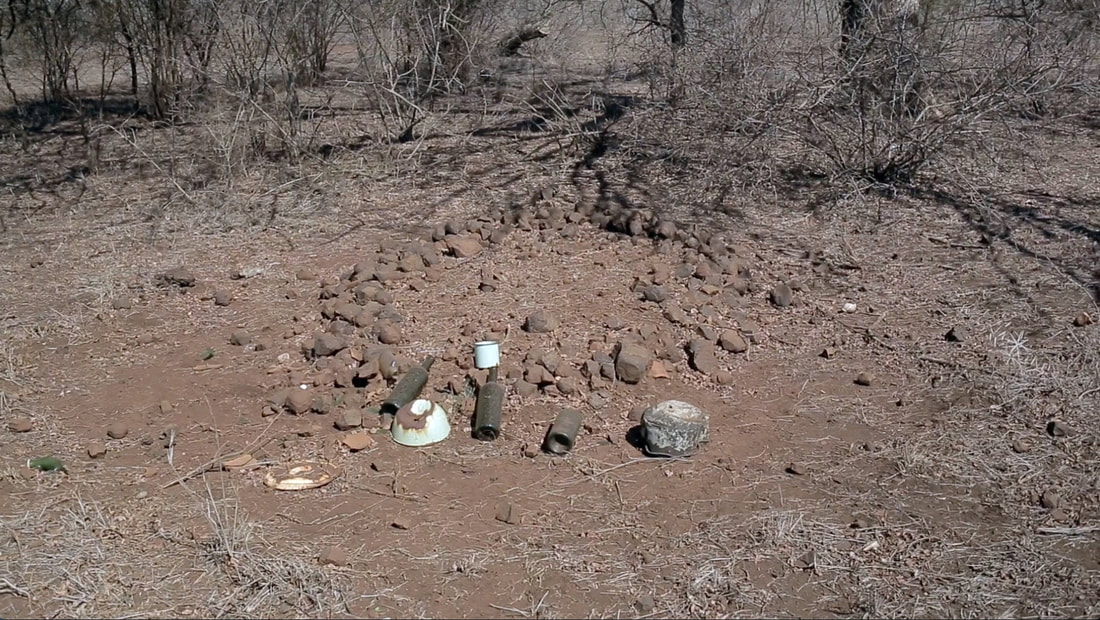
An image of an unmarked family grave site from a community in Mozambique.
What are the devastating consequences to conservation when an anti-poaching ranger or rhino poachers is killed?
In this interview, Matt Bracken chats with Ferdie Terblanche, a Game Park Ranger, about the sadness and devastation that death brings to a family when unnecessary conflict is happening within conservation for communities and game ranger families.
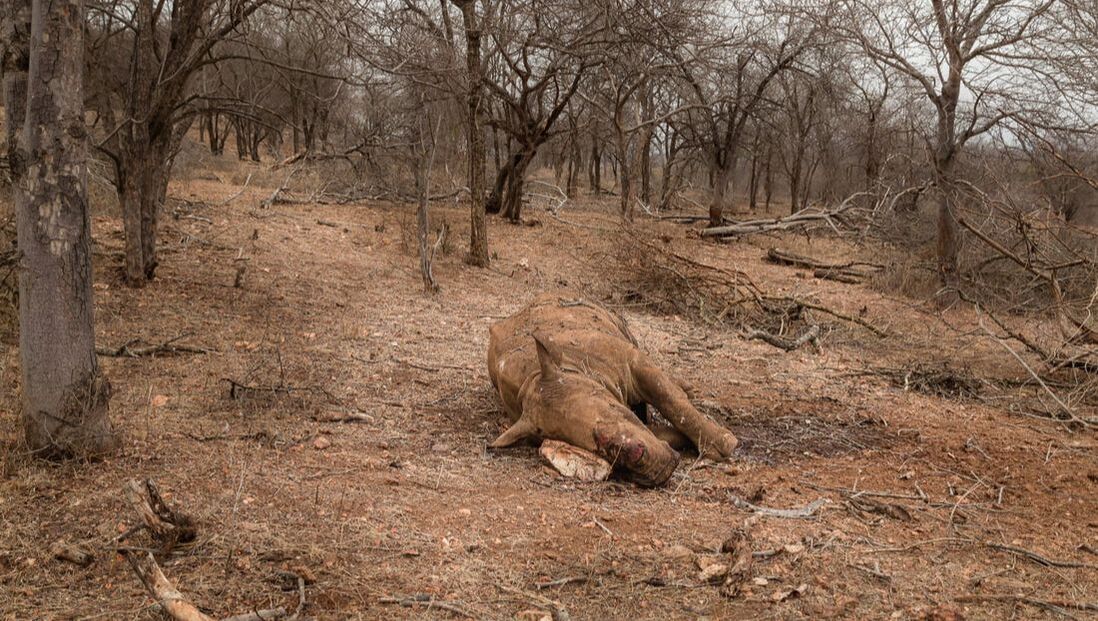
A young white rhino that was poached on a game reserve in South Africa. Male white rhinos have existed in the African continent for more than a million years and play a huge role in the ecosystem of our continent. The conservation of the white rhino is essential to Wild and Free Foundation.
The "Why" that drives what we do is a personal reason, and we all have one. In this interview, Matt Bracken, an ex-anti-poaching volunteer, chats about his personal reasons why he chose to protect the African rhino and wildlife.
How can we help conservation?
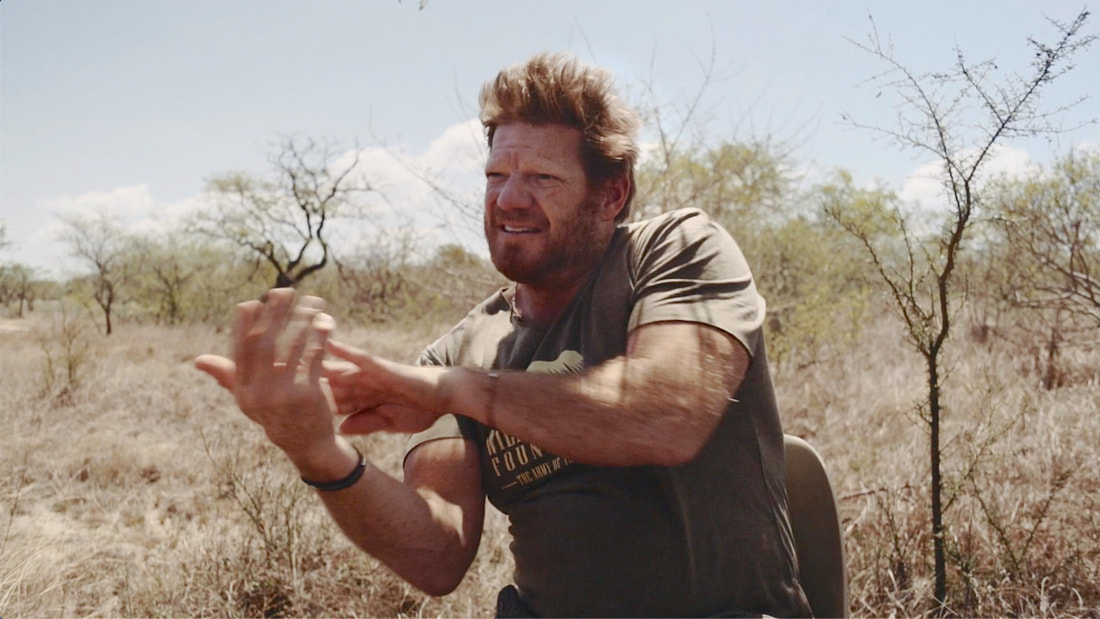
Matt Bracken explains what inspired him to go into conservation to save Africa’s Rhinos?
In the summer of 2015, Matt Bracken was asked the question if people can change? And if so, what is his opinion on how they can help the earth? In this short interview Matt Bracken shares and his opinion on how people could help the earth better, by just doing nothing. Yes, nothing.
View the video to find out how.
Matt was a volunteer anti-poaching ranger. The founder of Wild and Free Foundation and the first American to have successfully completed the Protrack anti-poaching ranger training in 2011.
How was Wild and Free’s Founder
inspired?
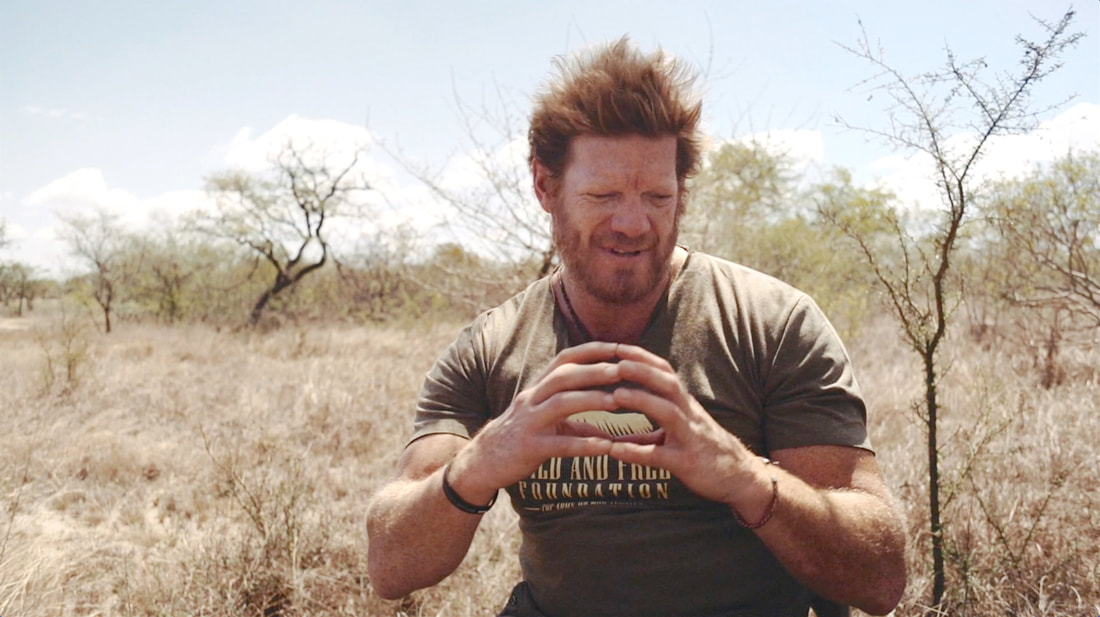
Matt Bracken in an interview, explains what inspired him to save Africa’s Rhinos? Matt describes a profound elephant encounter.
Matt Bracken tells us, what inspired him to protect rhinos and the incredible inspiration he sources from wildlife and the protection of the wild.
Matt was a volunteer anti-poaching ranger. The founder of Wild and Free Foundation and the first American to have successfully completed the Protrack anti-poaching ranger training in 2011.
“I have a dream, of Nature thriving wild and free among humans, and humans being healthier and happier because of it.”
Matt Bracken.
What does a Buffalo “Calf” look like
when growing?
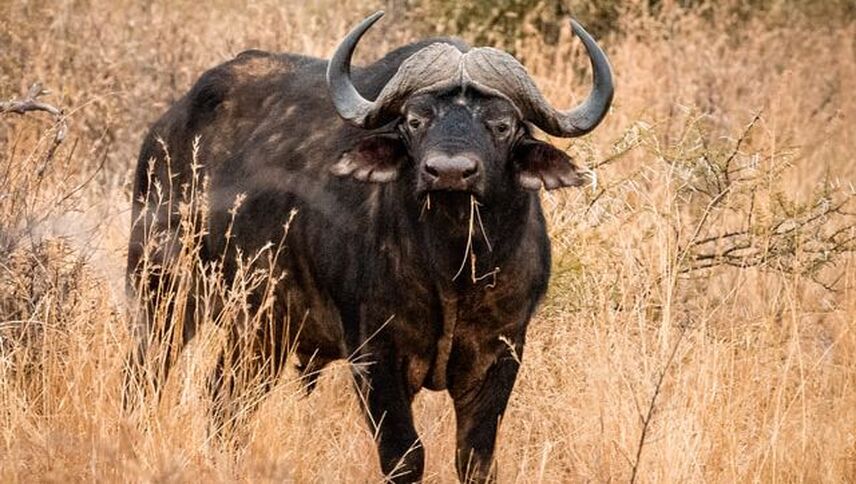
As protective as I am over my calf, the entire heard will look after our young as their very own when moments of danger come our way.
As it is with many young animals, the baby Buffalo is an adorable little creature whose appearance alters as he/she grows. They are born weighing only 40-53 kilograms, with red-brown or light brown fur that becomes darker as they age.
How to tell a Buffalo “Cow”
apart from a “Bull”?
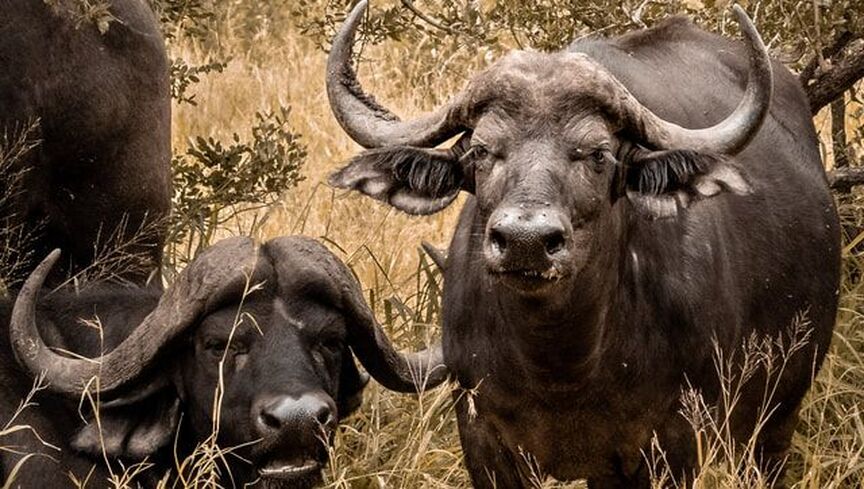
Buffalo cows remain at their calf's side until the calf reaches adulthood, at which point they embark on their own adventure with the herd.
The female Buffalo, also known as ‘Cow’, are somewhat red brown and have narrow horns. They weigh 550-700 kilograms which makes them slightly smaller than the bull. Much of the gang is made up of female relatives and their young.
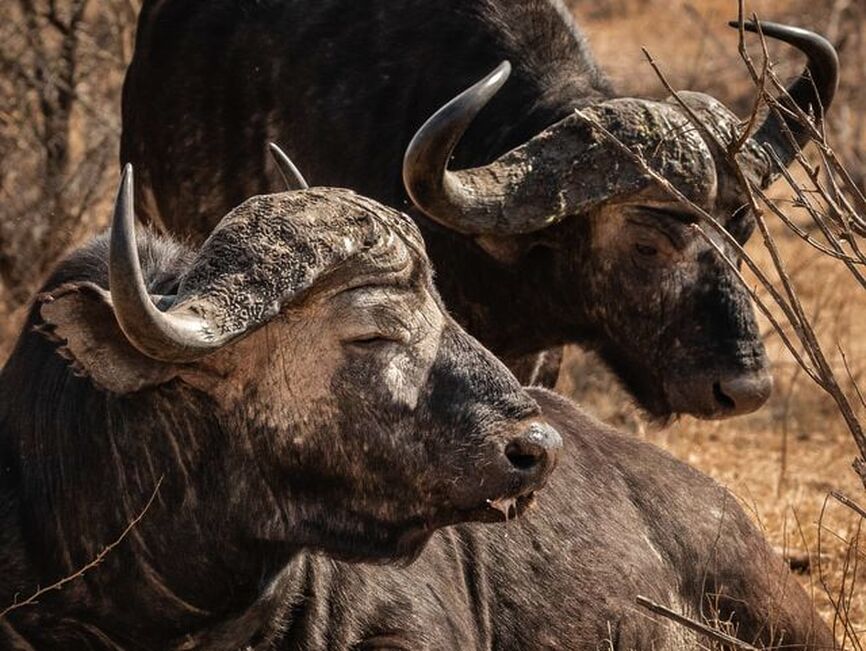
Hierarchy is mostly enforced by aggressive visual displays rather than by physical fighting. During the rut the leading breeding bull forces the sub-adult bulls out of the family group to join bachelor herds.
The male buffalo or “bull” is truly competitive by nature. They regularly compete for breeding and ranking within the gang, through head on clashes. In this case the strongest bull may mate with the female or lead the rest of the gang.
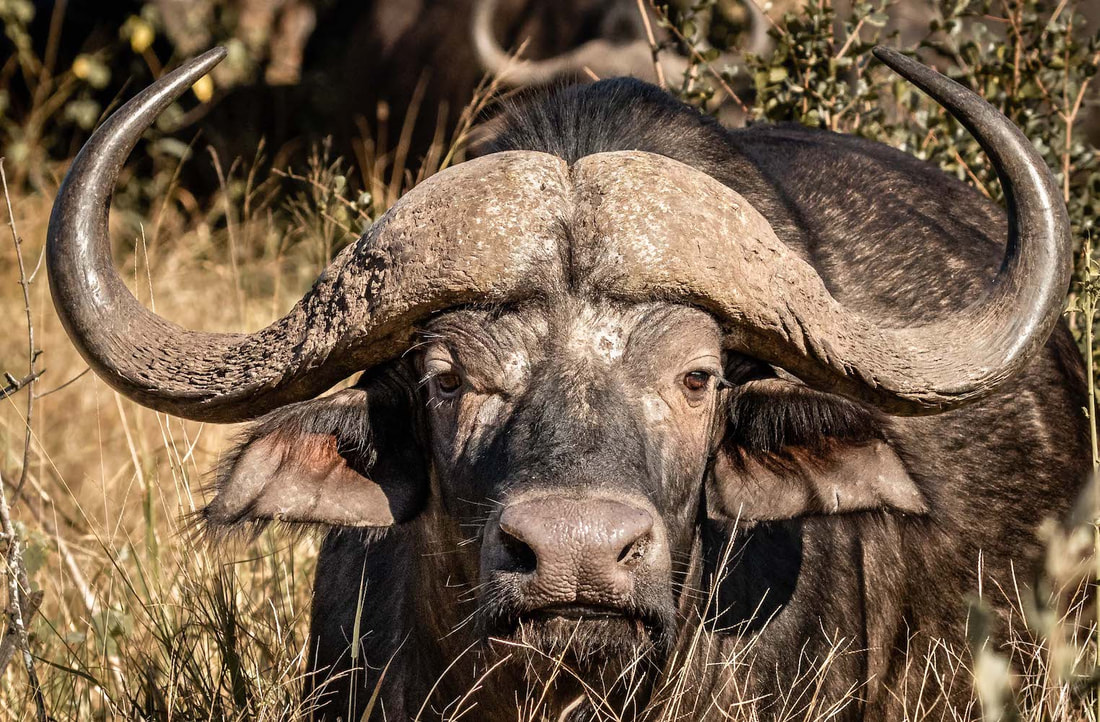
Old post-mature bulls do not follow the breeding herds but stay in thicket bush in riverine habitats. These bulls are extremely temperamental and will charge nearby animals or humans for no apparent reason.
The Cape Buffalo is one of the most tenacious herbivores in the animal kingdom. They are the largest sub-Saharan bovine and form part of the big five, meaning they are especially difficult to hunt on foot. Their average lifespan in their natural habitat is 15-18 years, which is remarkably shorter than it is in captivity.
How many babysitters do
Calf Elephants have?

It takes a female elephant 22 months from conception to have a baby. This is longer than any other animal in the world.
Baby elephants are one of the cutest and most mysterious animals regardless of their colossal exterior. They are born weighing a minimum of 90 kilograms. This is a lot more than the human baby however, neither one has any survival instincts at birth.
How to tell a Bull Elephant &
Cow Elephant apart?
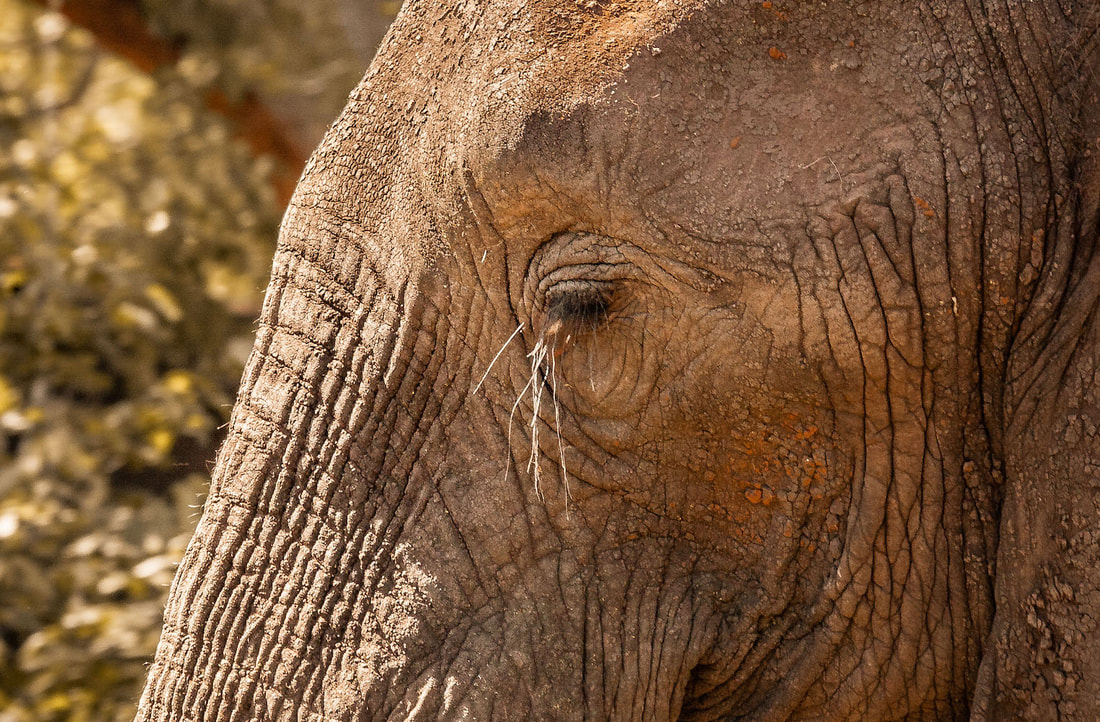
Elephant skin is wrinkled in appearance, with African elephants more wrinkled than Asian elephants. Wrinkles act as a cooling mechanism by increasing the skin's surface area.
Cow elephants are known for their strong maternal instincts. Their main roles are to raise their young and lead their herd once they are old enough. They learn these skills from older generations as they remain with the female herd for as long as they live.
What is the largest terrestrial animal?
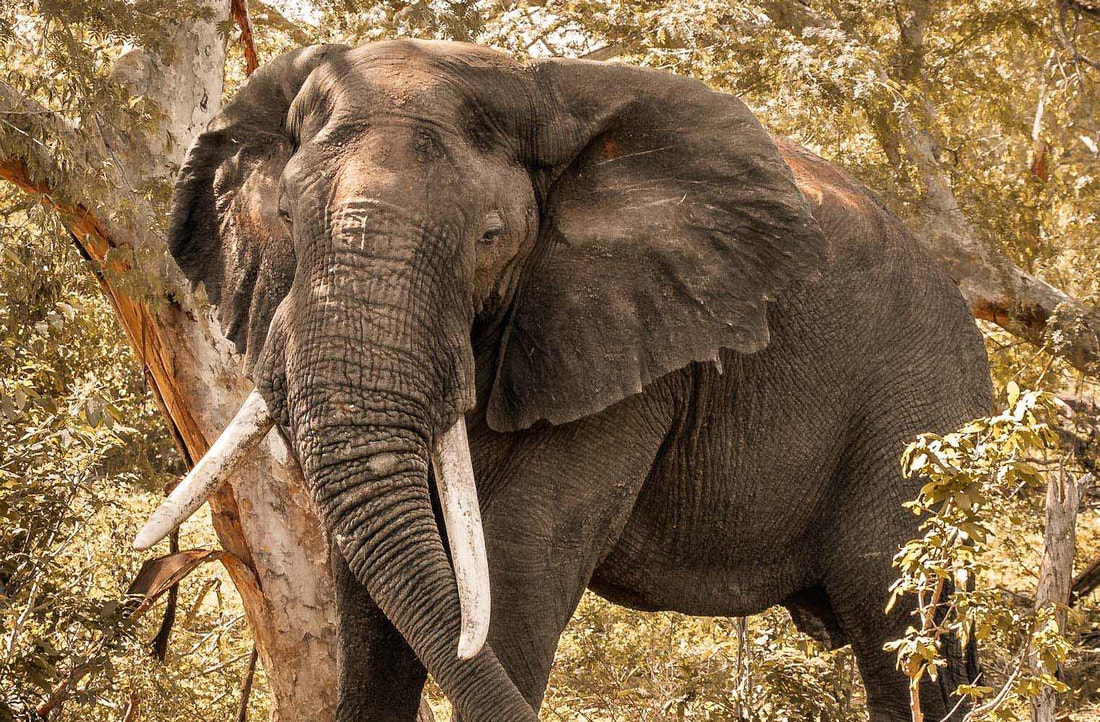
The African bull elephant does not provide a particularly paternal function, yet he is nonetheless necessary. Bull elephants' habit of moving from herd to herd helps maintain genetic diversity. Female elephants may choose and select their mates, which helps limit inbreeding.
The bull elephant is the largest terrestrial animal, weighing a tremendous 6000 kilograms, and standing 3 meters high. They generally reach their full size at ages 35-40, halfway through their lifespan (60-70 years). Their tusks are large and grow 7 inches per year.
What is the largest land animal ever?
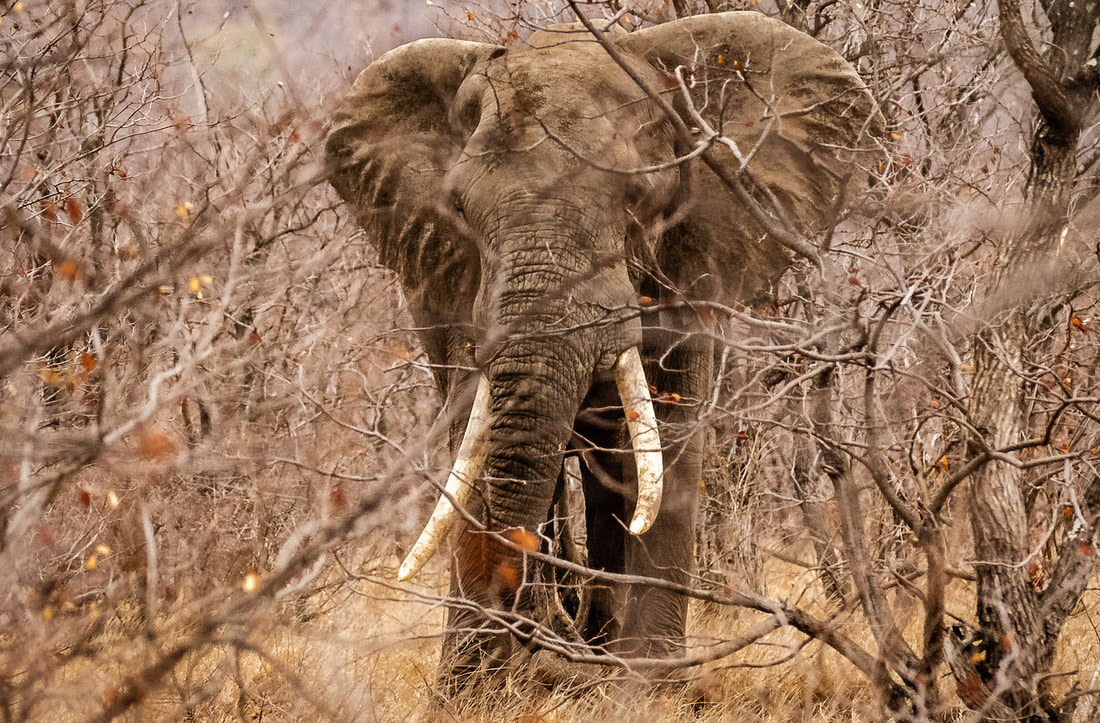
Elephants are thee oldest animal to roam the earth, generations before us have laid the foundations for our species as a whole to continue to not only graze and braze but to continuously shape the land we all call home.
The elephant species are the world’s largest herbivores. Separated into two groups, African and Asian elephants are largely similar however, there are minor differences. The African elephants’ ears are large and shaped almost like the African continent, which act as a cooling mechanism in the heat of Africa. The Asian elephants’ ears are much smaller and rounder, this is appropriate because they live in jungles and do not need to cool off from the sun.
What’s the most trafficked animal
in the world?
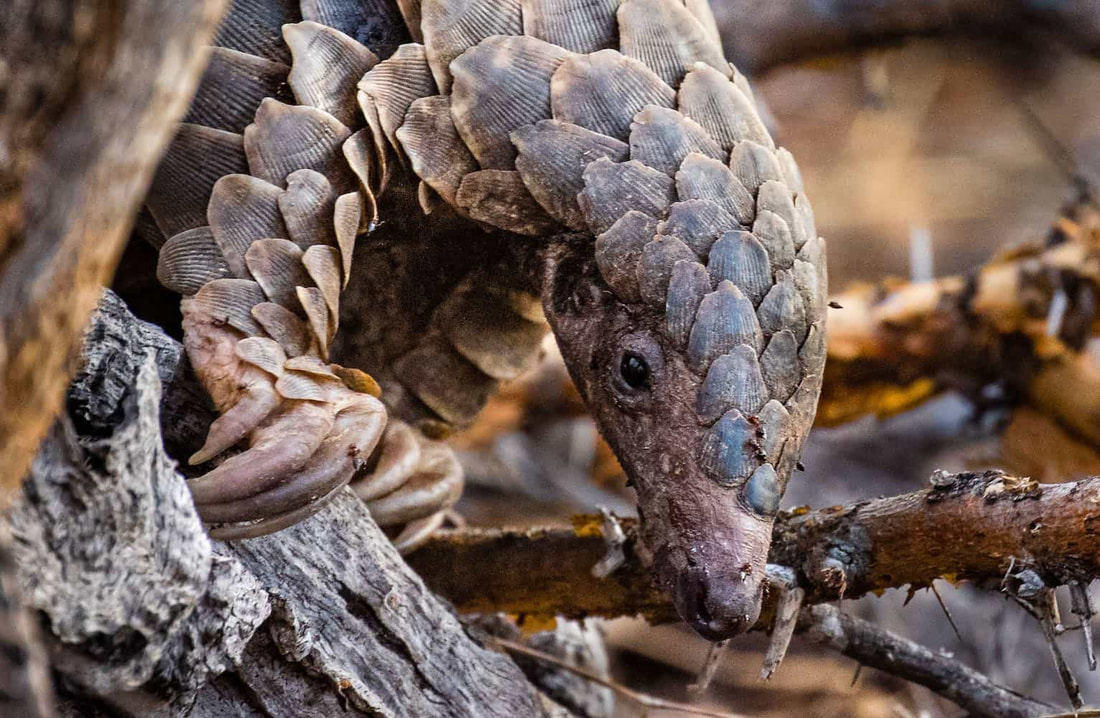
Pangolins rely significantly on their sense of smell and hearing due to their weak eyesight. As a result, they are able to detect both their prey and the presence of potential dangers.
The Pangolin is an average sized mammal with overlapping scales covering its body and a small head. Despite being the most trafficked animal in the world, many have not heard of it. This may be because the pangolin is highly secretive and tends to hide itself away from people, other animals, and even other pangolins.