
How many babysitters do  It takes a female elephant 22 months from conception to have a baby. This is longer than any other animal in the world. Baby elephants are one of the cutest and most mysterious animals regardless of their colossal exterior. They are born weighing a minimum of 90 kilograms. This is a lot more than the human baby however, neither one has any survival instincts at birth. How to tell a Bull Elephant & 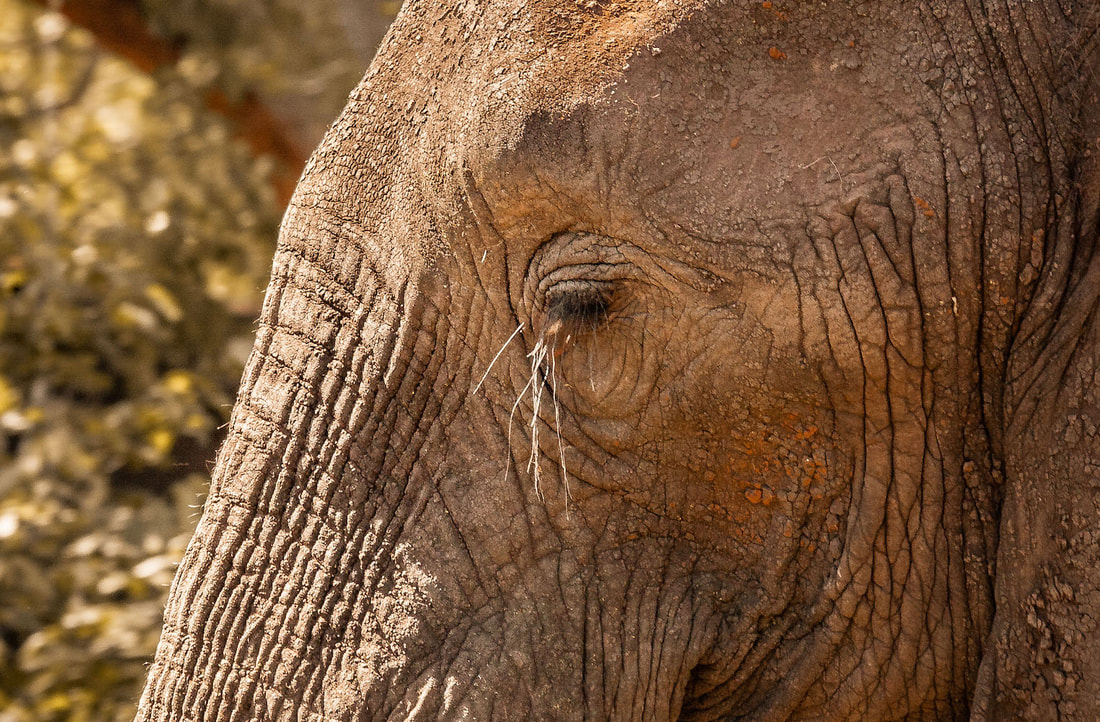 Elephant skin is wrinkled in appearance, with African elephants more wrinkled than Asian elephants. Wrinkles act as a cooling mechanism by increasing the skin's surface area. Cow elephants are known for their strong maternal instincts. Their main roles are to raise their young and lead their herd once they are old enough. They learn these skills from older generations as they remain with the female herd for as long as they live. What is the largest terrestrial animal?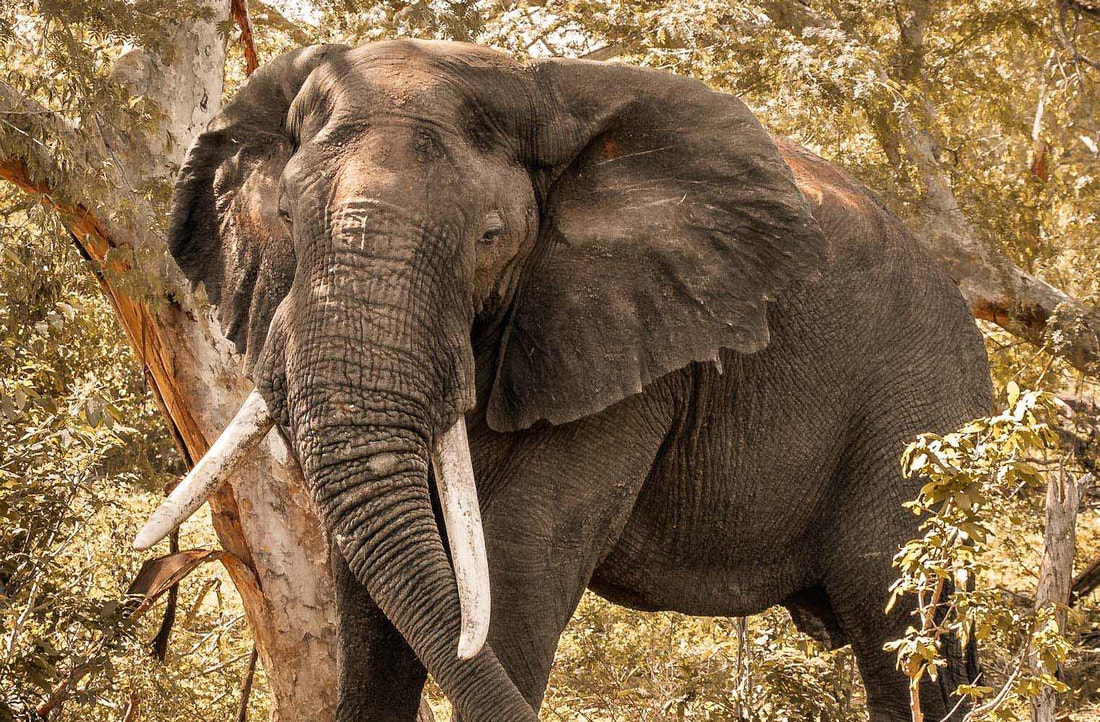 The African bull elephant does not provide a particularly paternal function, yet he is nonetheless necessary. Bull elephants' habit of moving from herd to herd helps maintain genetic diversity. Female elephants may choose and select their mates, which helps limit inbreeding. The bull elephant is the largest terrestrial animal, weighing a tremendous 6000 kilograms, and standing 3 meters high. They generally reach their full size at ages 35-40, halfway through their lifespan (60-70 years). Their tusks are large and grow 7 inches per year. What is the largest land animal ever?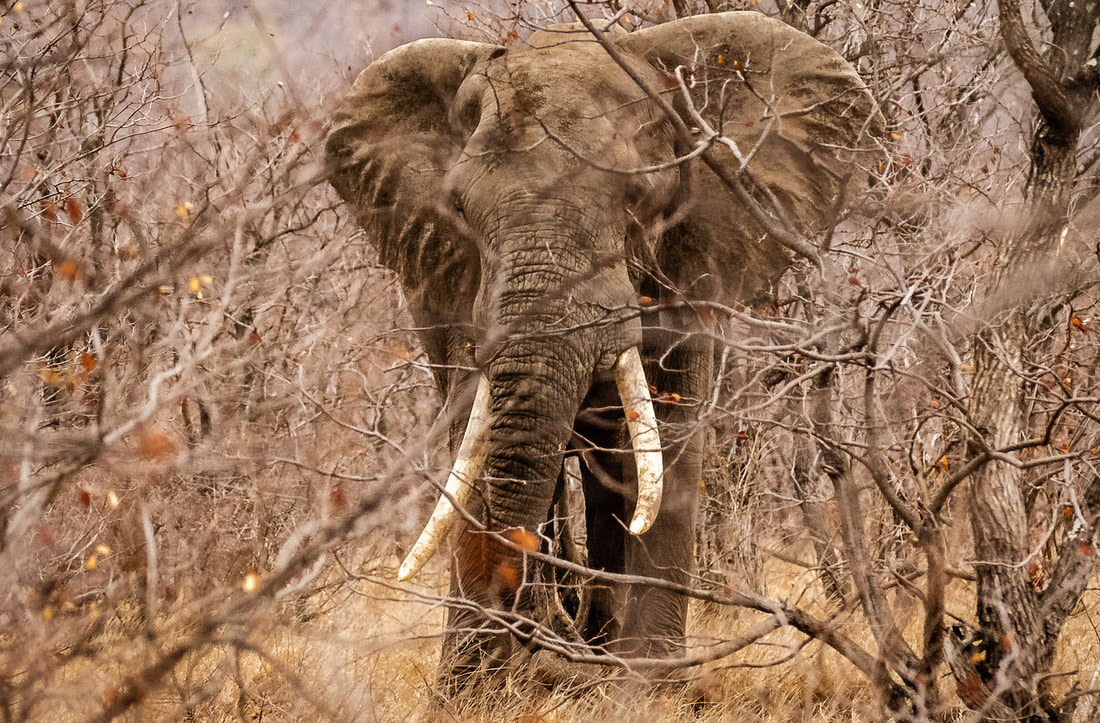 Elephants are thee oldest animal to roam the earth, generations before us have laid the foundations for our species as a whole to continue to not only graze and braze but to continuously shape the land we all call home. The elephant species are the world’s largest herbivores. Separated into two groups, African and Asian elephants are largely similar however, there are minor differences. The African elephants’ ears are large and shaped almost like the African continent, which act as a cooling mechanism in the heat of Africa. The Asian elephants’ ears are much smaller and rounder, this is appropriate because they live in jungles and do not need to cool off from the sun. |