
How does the Lioness benefit the Pride?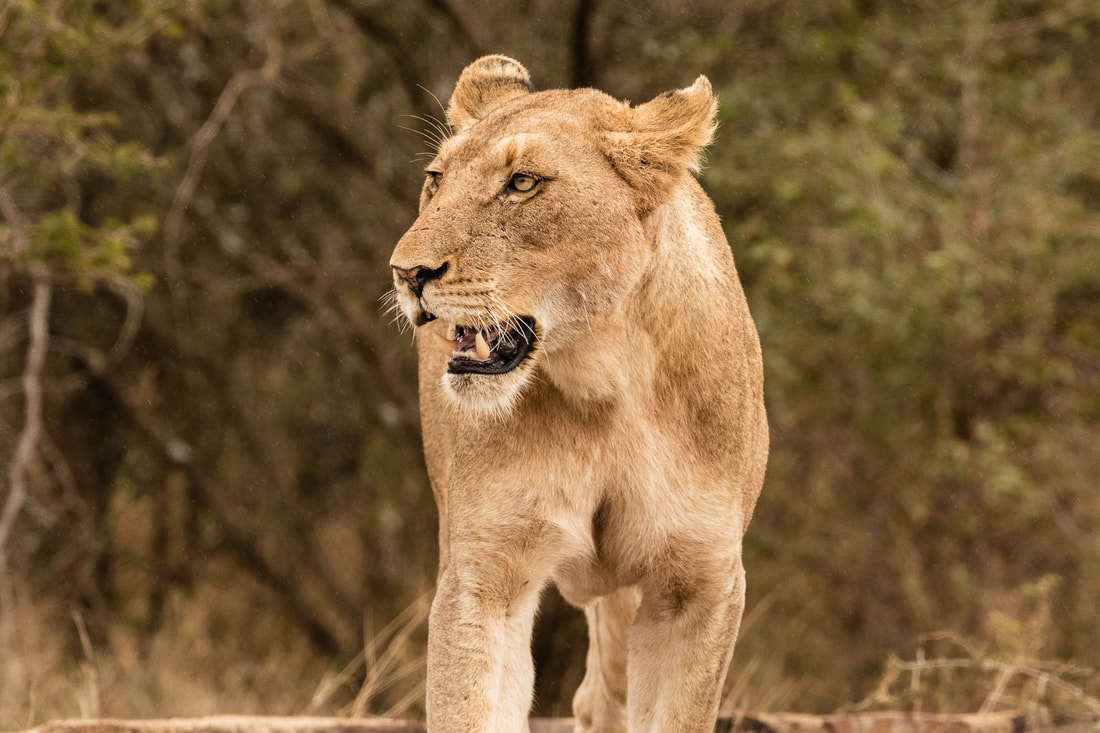 Female lions in a pride are usually related, and they stay in the area where they were born unless there isn't enough food, in which case females who are two years old have to leave. I am the Queen of the pride; I take care of my pride by providing them with a sense of protection as well as food. I care for my young deeply and will protect them relentlessly. I will stay by their side every day for the first 6 weeks, nurturing them and making sure they are fed, whilst keeping them hidden in thick dense bushes. there after when the time is right, we reunite with the entire pride. We hunt in groups of 3-8 females, we have exceptional night vision and usually hunt at night. My fur is a radiant mixture of gold, blonde and brown. My eyes are strikingly hazel, they are three times as big as human eyes. I have soft paws which allow me to move quietly, although they are incredibly strong and allow me to fight and run fast. Weighing 130 kilograms on average, we are slightly smaller than male lions. The females in our pride mainly consist of family members such as sisters; nieces; and aunts. We greet by rubbing against each other and purring. We are a very close-knit family, and we tend to protect each other, especially our cubs. I generally give birth to around 4 cubs, 3.5 months after mating. When my cub is born, I spend 6 weeks away from the rest of the pride, nursing and taking care of my children. The females in our pride sometimes raise our cubs communally. We will defend our pride if needed, against any intruding lions as well as other animals or humans. That is simply because our instinct is to protect our family. Like the male lion, our role in the pride and ecosystem is significant, as we are considered the main hunters. We help the ecosystem by preventing overpopulation of other animals. We take care of our children and partners with utmost love. Just as a human mother and partner completes her family, we complete ours. For this reason, Wild and Free considers their protection to be a necessity. We are continuously looking for means by which humans and animals can live side by side. 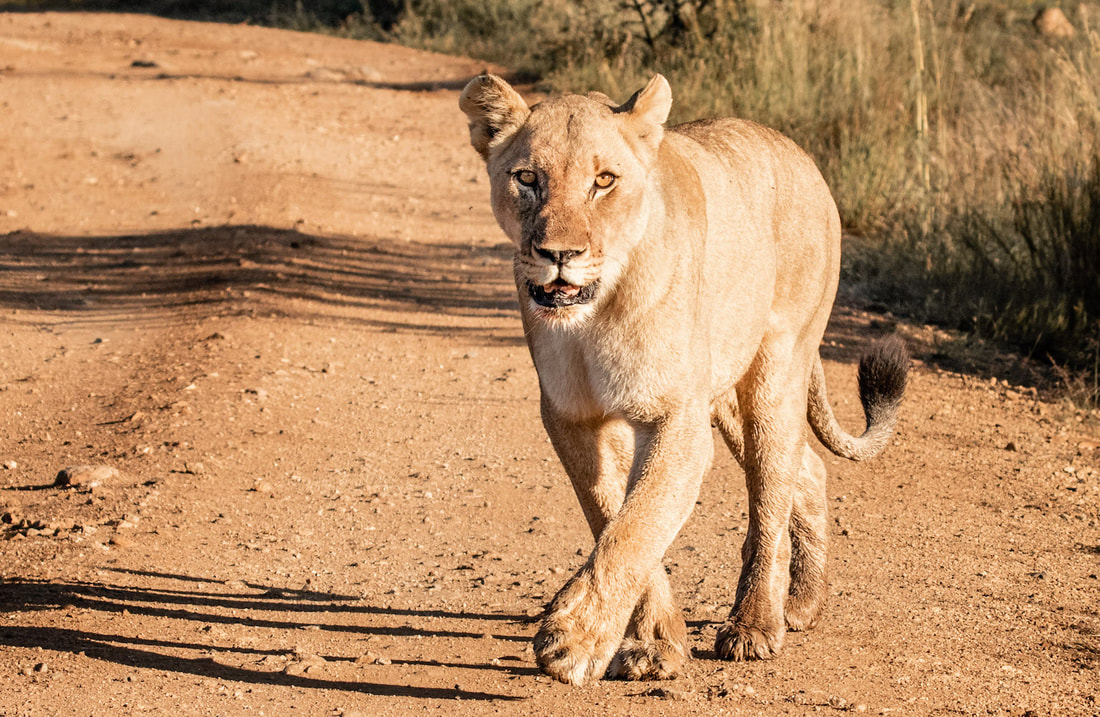 Female lions are just as dangerous as male lions, although they still have a playful side and remain that way in their adult years. What do Lions eat?Lions eat a wide variety of wildlife. The lion's diet ranges from buffaloes, crocodiles, and young elephants in the savannah. If required, lions may also prey for small animals such as rodents, lizards, tortoises and birds. Overall, this makes the lions an important predator in the ecosystem of the region. How fast can a Lion run?They can run really fast. In short bursts, lions can sprint as quickly as 80 km/h. This pace rivals’ horses who can travel for around 88 km/h or as fast as the average vehicle on the highway. However, the lions can't keep up with this pace for too long, when they have less stamina. 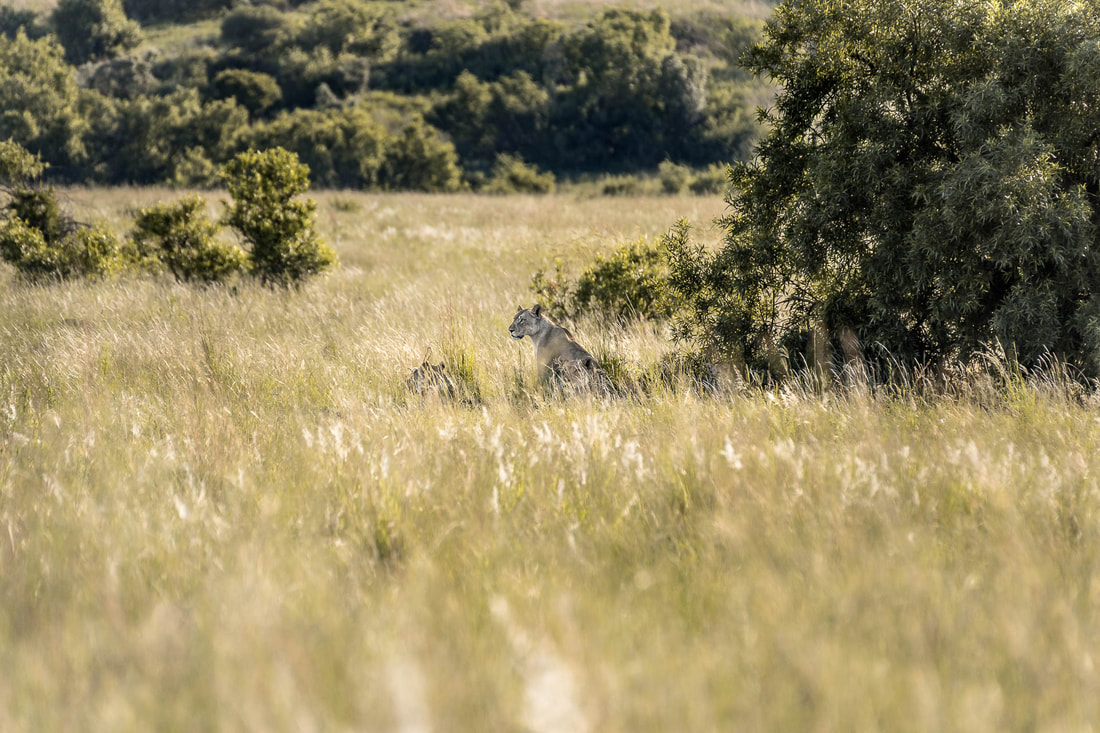 The pride's main hunters are the females. They work together in groups called "hunting parties" to catch their prey. For short distances, a lion can run up to 50 mph (80 km/h). Comments are closed.
|
Categories
All
Archives
October 2023
|