
How do Lion Prides work?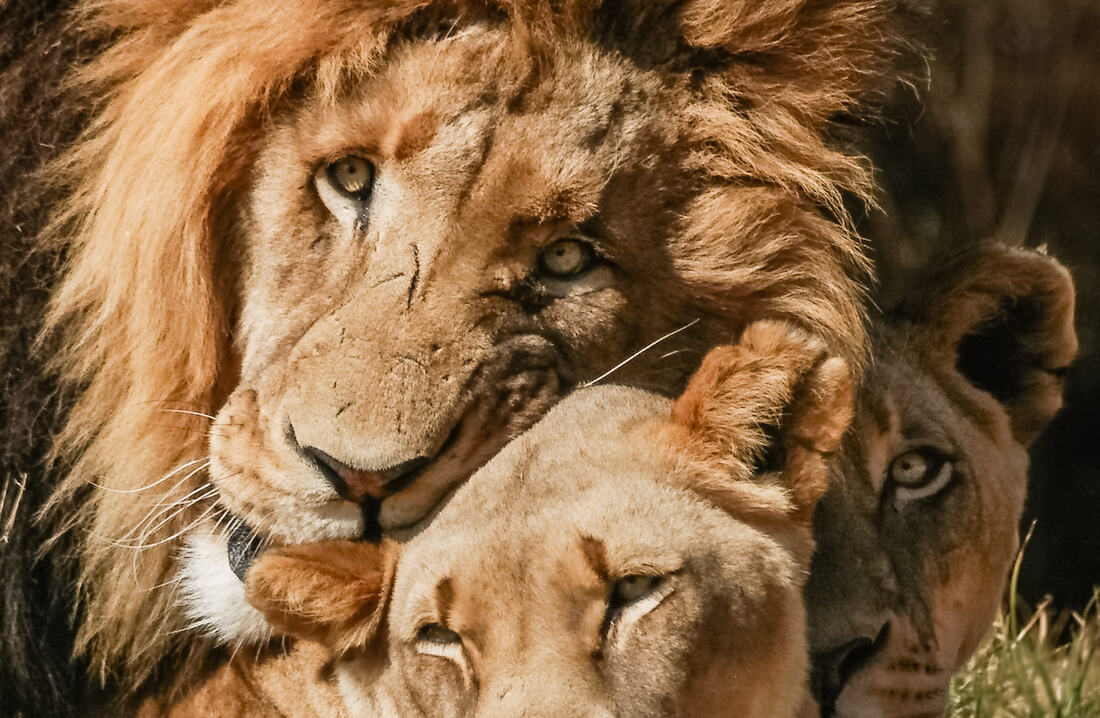 Lions are quite territorial and stay in the same place for many years. While resident males defend prides against competing coalitions, females aggressively defend their territory against other females. A hundred years ago, Africa had more than 200,000 lions, however, it has shrunk to about 21,000 today, making it one of the smallest populations of any animal in the world, according to the United Nations. Lions are the only cats who live in groups. They are known for being loyal to their family. Not their biological family but their pride, this sometimes means that they do not keep family members in their pride especially if they are male. 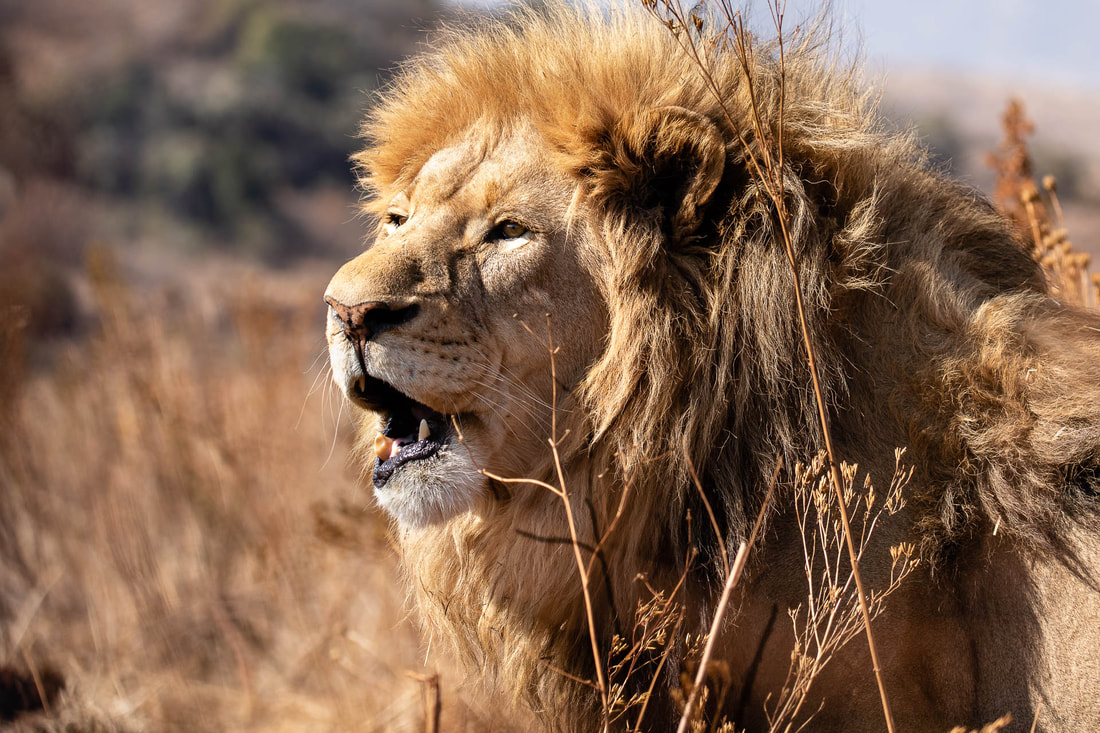 A lion's roar may be heard from at least 5 kilometers away, making it an effective territorial statement. As a species, lions have the ability to accurately determine the number of members in a roaring group and will only fight the intruders if they are confidently outnumbered. A male lion may banish his kin from the pride if there is a possibility of him becoming competition. Thereafter, the male lion, now old enough, must form his own pride. They do this by taking over another lion’s pride. Lions in a pride protect each other from outsiders and predators. Prides consist of 2 – 40 lions, this is made up of about 4 male lions, plus or minus a dozen lionesses, and their young. Since 1995, the number of lions has decreased by 50%, meaning that they are vulnerable to extinction according to the National Geographic. What is the purpose of the leader in the pride?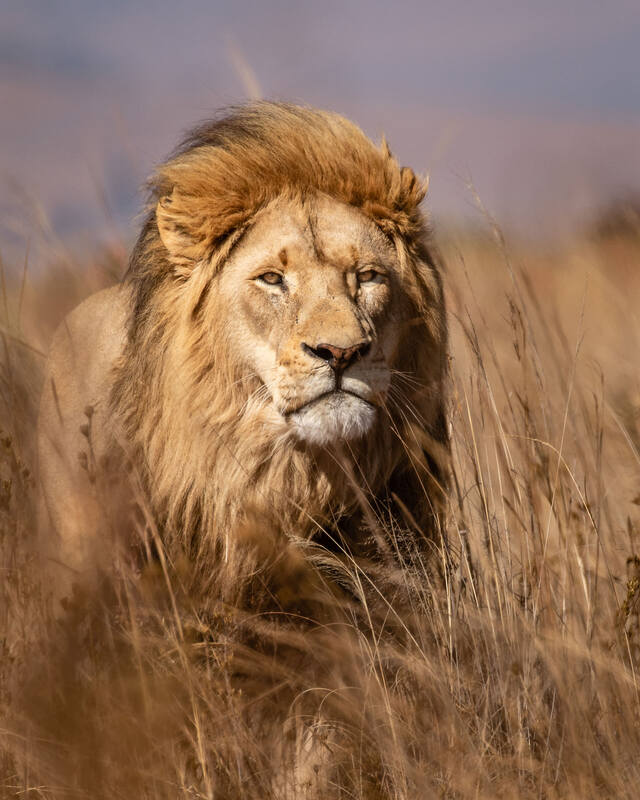 "Individualism and segmentation would lead to immense anguish and stagnation. With this death is inevitable. Our greatest strength lies in our ability to stand together as one being." WFF The key role of the pride leader is to safeguard the pride. One of the better lion truths is that the pride leader of the Lions is not just a Disney tale. In a real pride of lions, the pride leader has the duty to defend the lionesses and their cubs. The pride leader shares this responsibility with other males in pride, which typically varies from three to four males. The lion is classified as a vulnerable species on the IUCN Red List. The wild lion population decreased by roughly 43% between 1993 and 2014. Humans' persistent brutality to lions has put them in danger. Both the illegal trade in lion body parts (bones and skin) and the trophy hunting of lions contribute to the species' demise. Lion populations in particular areas are exposed to tremendous stress in order to ensure their existence, because lions are killed for livestock and human protection. How strong is a male & female Lion really?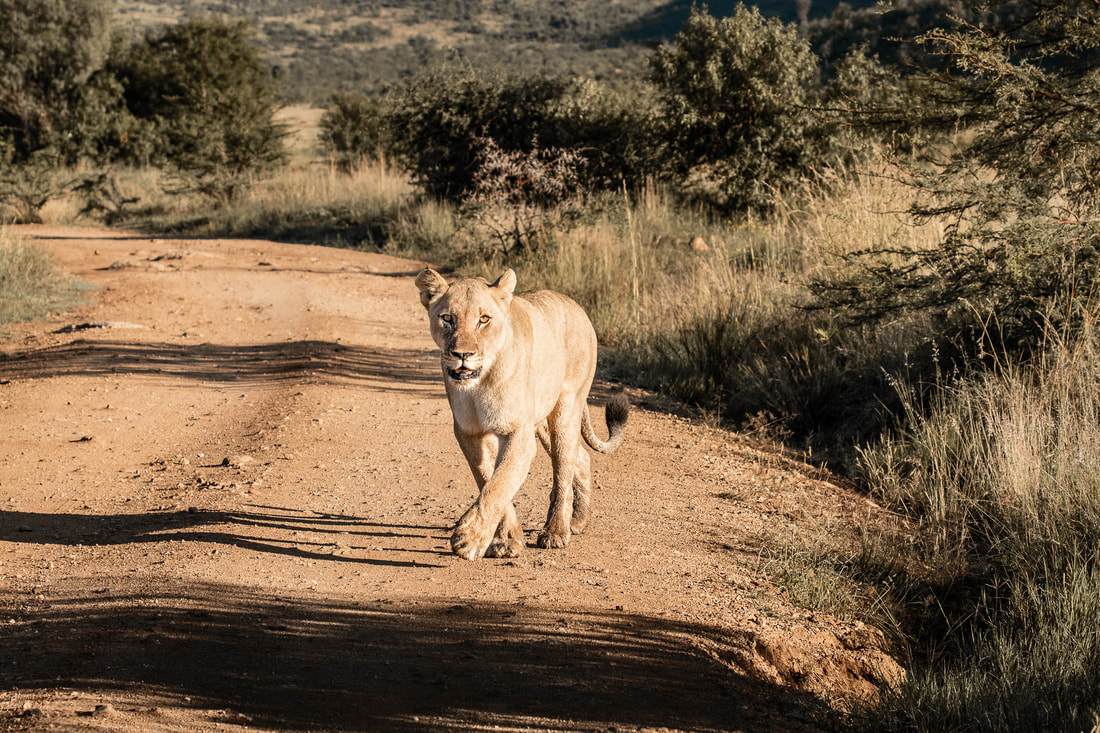 "I cherish my young and will do everything within my power to protect them. I'll nurture and feed them every day while keeping them secure and concealed in thick dense bush. We shall reunite with the pride when the timing is right." It takes 10 hyenas to bring down a male lion. A starving group of hungry hyenas will attack a lion if they're alone. Normally, it will take 10 hyenas to break down a single stable lion at its peak, but even with those numbers, it's not a guarantee. And a lion will fear and fend off a whole hyena clan. It will take 5 or 6 hyenas to take down a lioness. How high can a Lion leap?A lion can leap 3 times higher than a human. While lions are around 2.5 times heavier than average humans, they can leap 3 times higher than us. In comparison, tigers and lions have about the same vertical jump that can cross more than 11 or 12 feet. 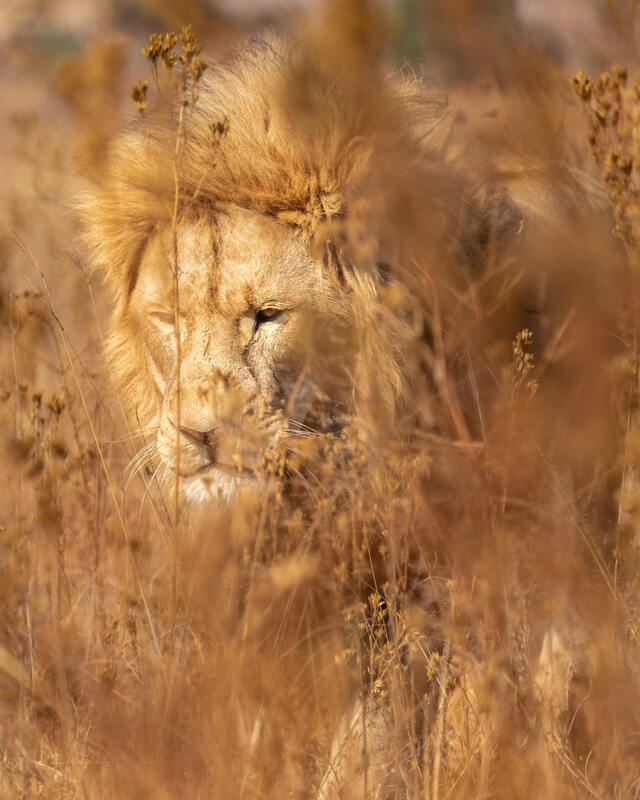 "I used to dwell across the great plains of the world. Since meeting the human species, the numbers with which I formerly surrounded myself have dwindled. However, I will continue to defend the land on which I and those with me wander, as this is my first priority." Lions are undeniably dangerous animals when they are not tamed. This is because they have natural instincts which include preying on animals. Everything within our ecosystem was created to function co-operatively which implies that each of our roles are important, this pertains to the lion species as well. It is vital that we find an alternative solution whereby animals and humans can peacefully share the earth. By touching the hearts and minds of people and teaching them about the value these mighty creatures have within our ecosystem, we believe we can preserve more nature and wildlife. It was mankind’s doing to fence in and attempt taming our ecosystem therefore, it is mankind’s responsibility to live wild and free with wildlife and nature. At Wild and Free Foundation, we aspire to protect wildlife and eventually reach a point where we co-exist with them in harmony. 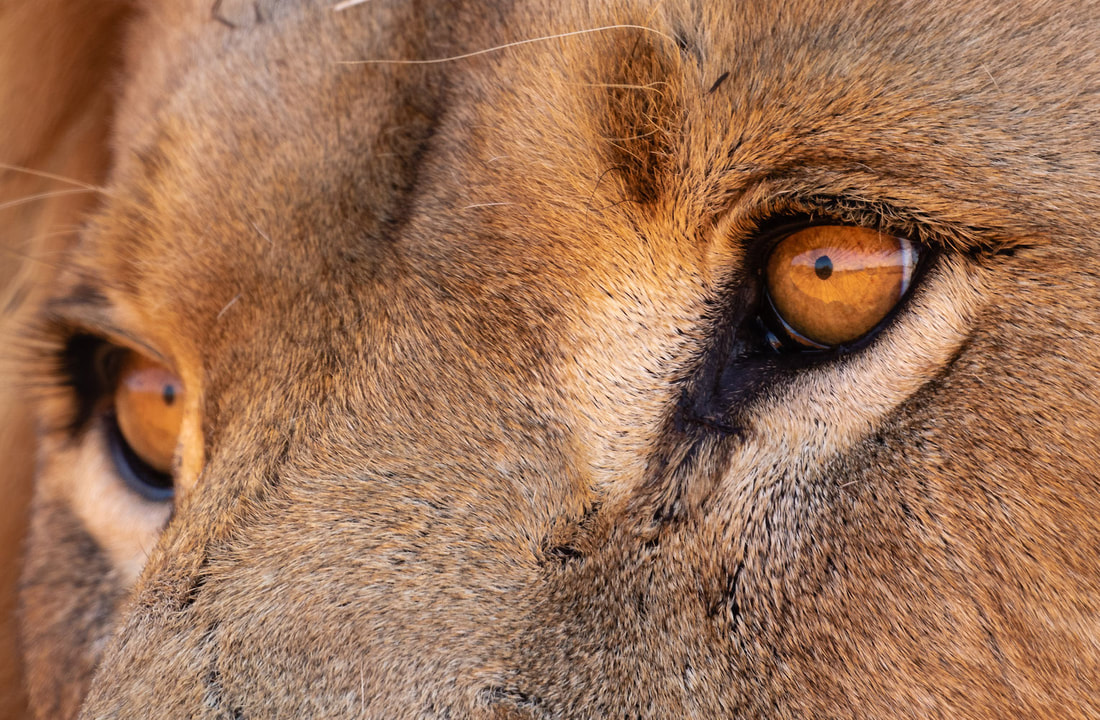 "Every day I patrol the outskirts of my territory to ensure the protection of my pride. If the time comes and an unfamiliar face approaches my territory I will certainly stand my ground." Comments are closed.
|