
Which mammal eats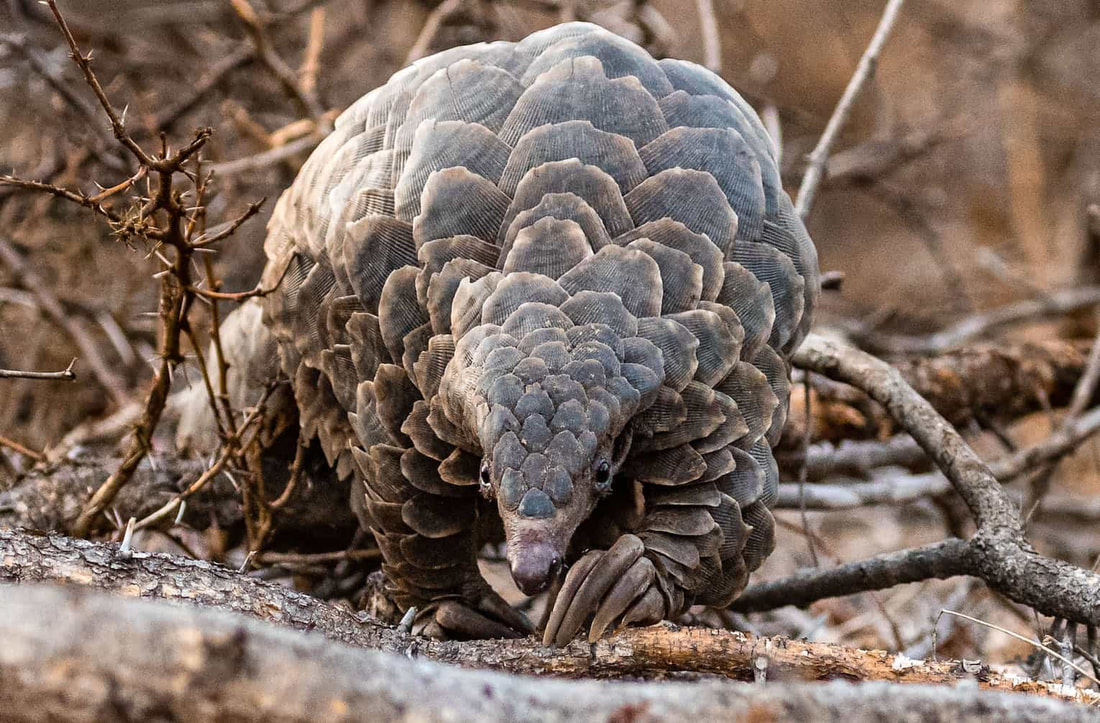 The Pangolin is the only known mammal in the world to have hard overlapping scales, that cover their entire body. As a female Pangolin, I am not noticeably different from the male, the main difference is my smaller build. If you happen to come across me you may spot my child tagging along on my tail, which one would not find a male doing. We are overly protective with our pups, as they are even more defenceless than we are and have a higher chance of being preyed on. The female PangolinJust as it is with almost all species, females are primarily designed to produce young and care for them. They reach sexual maturity at 2 years old and begin mating. This usually happens once a year, where only one baby is born. The pangolin has been seen giving birth while laying on her side, pushing the baby out from an opening at the centre of her body. Once the baby is born, the mother nurses him/her in a nesting burrow. Pangolins tend to roll up into a ball when they feel threatened, exposing only their scales. In the same way, a mother will roll around her baby when sleeping, this keeps the baby safe in the centre where it cannot be harmed. Her scales are hard enough to protect her from a lion’s bite. In a YouTube video posted by ‘Wild Life Protection Solutions’ [Sep 3. 2019] a lion is filmed biting into a rolled-up pangolin, no matter how hard the lion tries it simply cannot eat this mammal due to his/her tough scales. 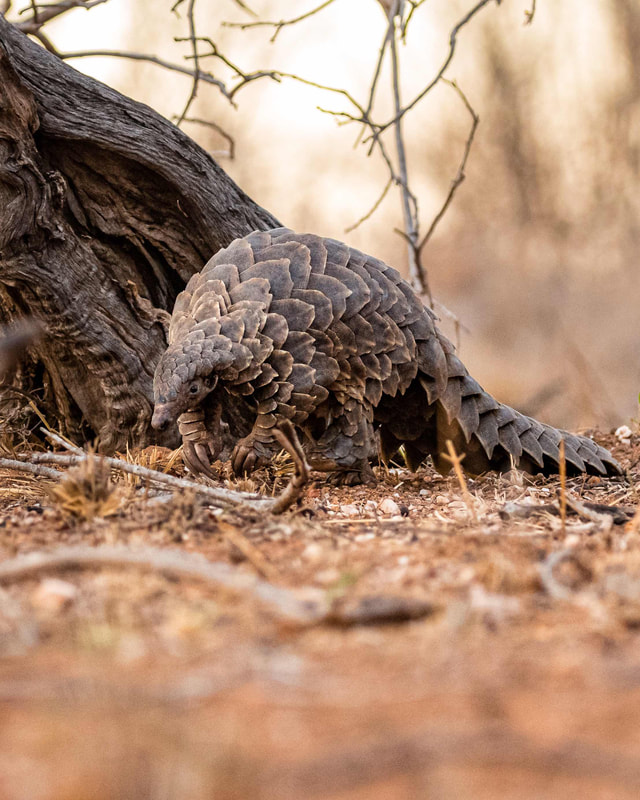 Pangolins are bipedal, meaning they can walk on their hind legs with the front limbs and tail held off the ground, and used as a counter-balance. Pangolins play an important role in our biosphere. As pointed out, they have a huge appetite which controls the insect population. Each mammal eats roughly 73 million insects per year, this has a tremendous impact on our society. They also churn the soil when digging up insects, this spreads the nutrients. In both cases, our survival is directly affected as we buy the crop harvested on those very grounds. Whether we as humans pay mind to them or not, we need them more than we realise. Wild and Free Foundation believes that as people, we should all be concerned about these precious lives and protect them at every opportunity. Why do Pangolins swallow small stones?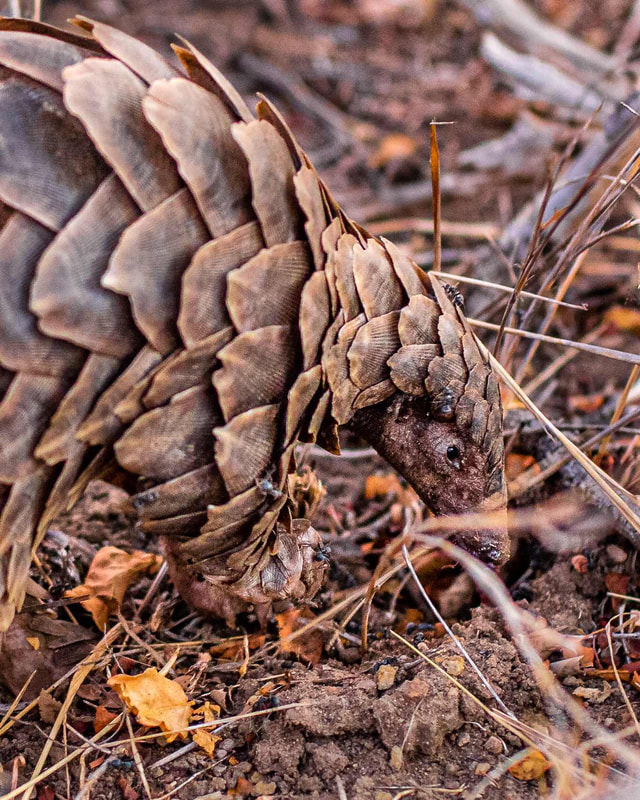 Swallowing stones (known as ‘gastroliths’) help grind up ants and termites. This is similar to how some reptiles, such as crocodiles improve digestion. Pangolins swallow small stones to assist with digestion. Here are some fascinating facts about the pangolins digestive system. Pangolins don't have teeth and so every once in a while, they need to swallow stones. These stones live in their stomachs, where they grind food instead of teeth. Some time after, stones get too smooth to grind food. these stones will leave the body of the pangolin with its poo. In order to replace stones which passed out of the body, the Pangolin must then swallow more. Why aren’t Pangolins suited for captivity?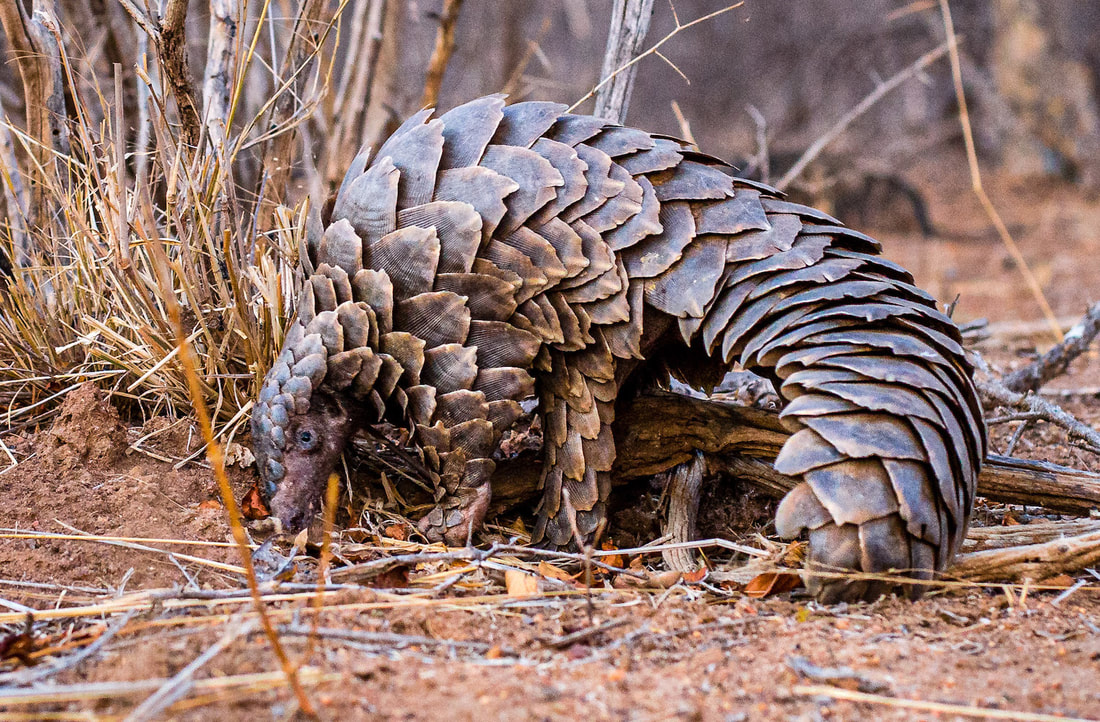 Commercial breeding has proven to be difficult, as pangolins do not fair well in captivity, due to their highly specialized diets and extreme sensitivity to capture enduced stress. 70% of pangolins do not live for more than a year in captivity.The Pangolins are delicate creatures. Living in captivity contributes to a greater risk of illness for these animals. These include pneumonia and stomach ulcers, which can prove fatal. Parasitic diseases are also a problem for pangolins in captivity.
Comments are closed.
|