
Which is the most antisocial animal?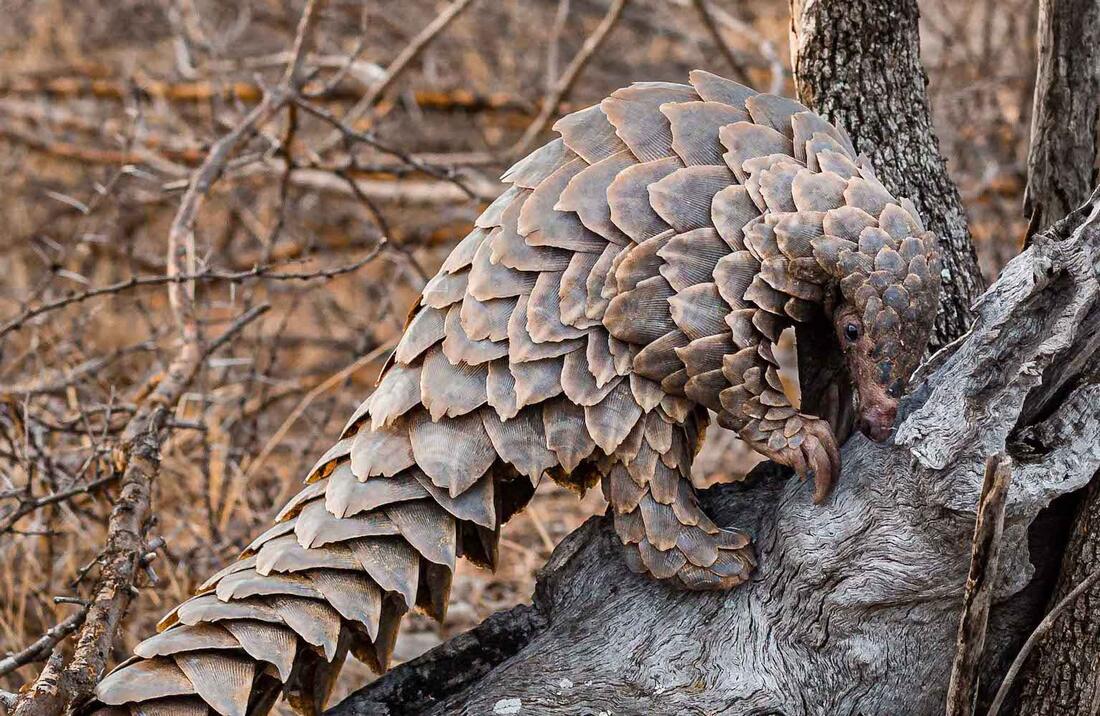 Pangolins in captivity is extremely detrimental to not only our species but our well being as we fall susceptible to diseases. Our true strength and prosperity lays in being “FREE” and roaming the landscapes of the earth. There is no exact record of the lifespan of a pangolin, although it is said that they can live for over 20 years in the wild, and do not live long in captivity. This is due to their eating habits as they may not accept unfamiliar foods and have huge appetites. If they do not receive a good amount of food, they often die earlier than their average life expectancy. The male PangolinI am known to be antisocial and mostly keep to myself, this is because I have many predators. If I need to defend myself, I can do so by swinging my strong tail hard and fast, my scales’ edges are sharp enough to wound my predators and protect myself. Similar to a skunk, I have a bad-smelling fluid which I spray when I am scared or nervous, this is another way I can defend myself. Aside from competing for females, males generally do not fight or cause conflict. Only one male may mate with a female. Once we have mated, we do not remain with the female. It is common for us to go back to our discreet lives as we are awfully timid and avoid people, animals, and even other pangolins at all costs. 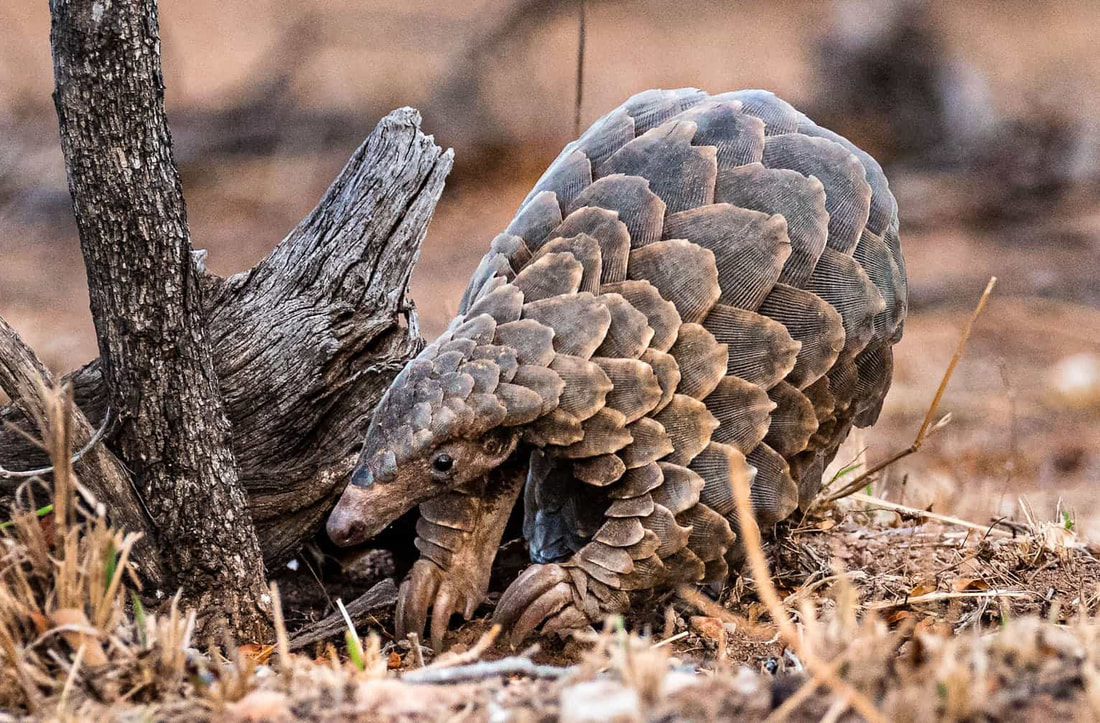 Pangolins have small eyes and poor vision, so they rely heavily on their sense of smell, and hearing. One of the causes of the declining population of Pangolins is habitat loss due to human development. Humans have been expanding for centuries, at times not considering their impact on the animal kingdom. This may not be intended, however animals such as Pangolins are still affected, and their population is rapidly decreasing as time goes by. Provided that we work together in considering their conservation, we may also benefit from them greatly. Pangolins eat so many insects that they help preserve crops which are oftentimes ravaged by termites and other pests. It is imperative that they are protected where it is possible, and that we find solutions to live together in harmony. Why are Pangolins the world’s most trafficked mammals?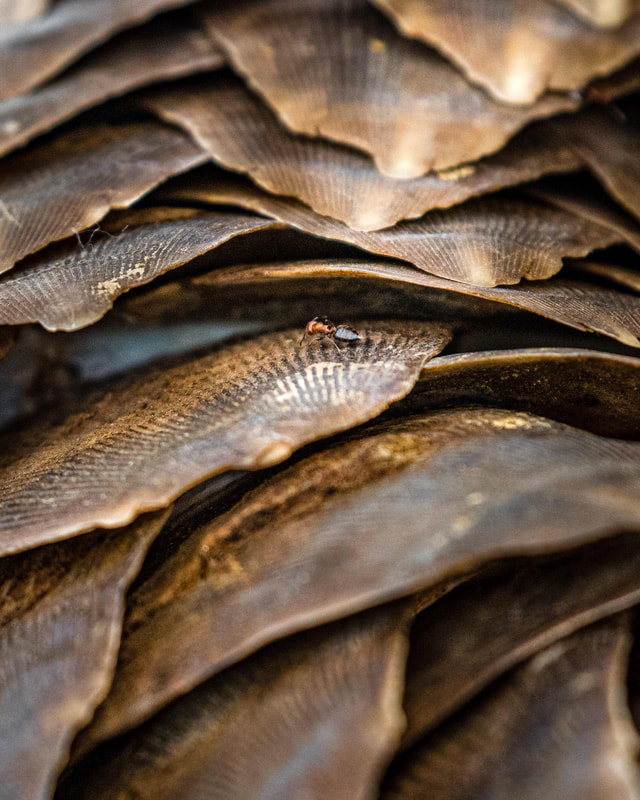 Their scales are made of keratin, the same protein that forms human nails, hair and animals claws, or birds talons. When first born they are soft, they grow hard as a Pangolin matures. Pangolins are the world's most-trafficked mammals. This is a tragic, but sadly true example of the Pangolin truth. This is partially because the scales of the pangolin are expected to provide nutritional advantages. These health advantages also have their origins 'traditional' drugs. There is no logical justification whatsoever for those statements. Another explanation for the trade in pangolins is that their meat is a delicacy in some countries. Many of these have had nothing but harmful effects on pangolins worldwide. What do pangolins use their tails for?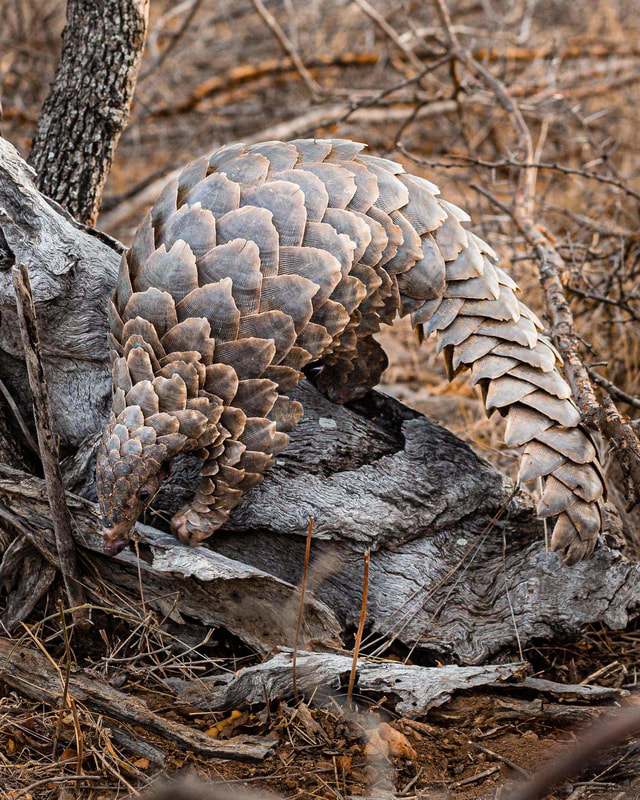 Shy, sensitive pangolins save our planet. They devour 70 million insects annually. This conserves food for ecosystems, aerates soil, and helps insects, animals, and humans survive. The tails of Pangolins are very powerful. They are not only strong, but also incredibly adaptable. A pangolin swinging from a tree limb supported only by its tail is not uncommon. Their tails may also function as a fifth leg, allowing them to securely climb up 90-degree surfaces such as walls. How do Pangolins protect themselves?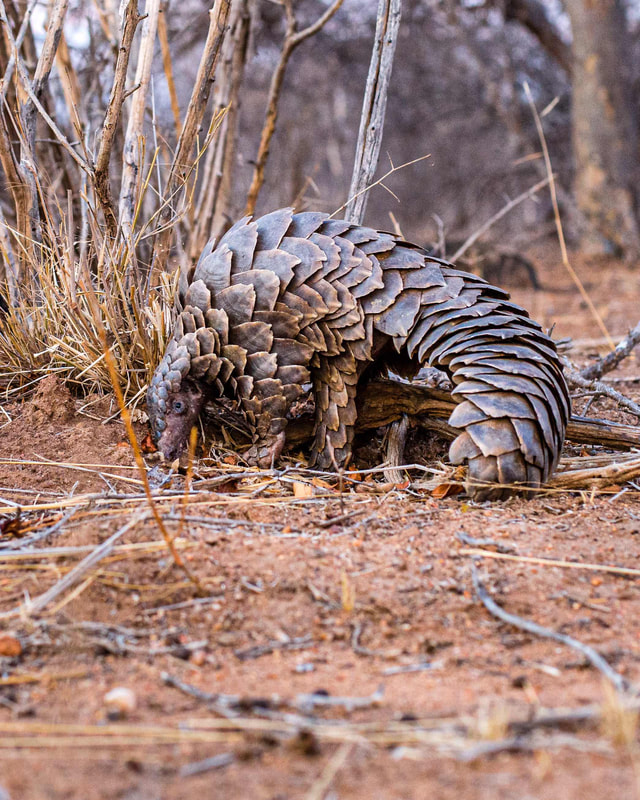 It is believed that the pangolin has existed on Earth for approximately 80 million years, making it an ancient creature. Pangolins will spray a fluid that smells terribly on predators. Pangolins do not use urine to mark their territories. Instead, they use a particular fluid formed by glands in the region of their anus. A shocked or scared pangolin may use analogous glands of its own in comparison to skunks. Pangolins spray predators with the same fluid they use to mark their territory. The pangolin will flee and take cover after taking advantage of the fear and uncertainty of a predator. Comments are closed.
|