
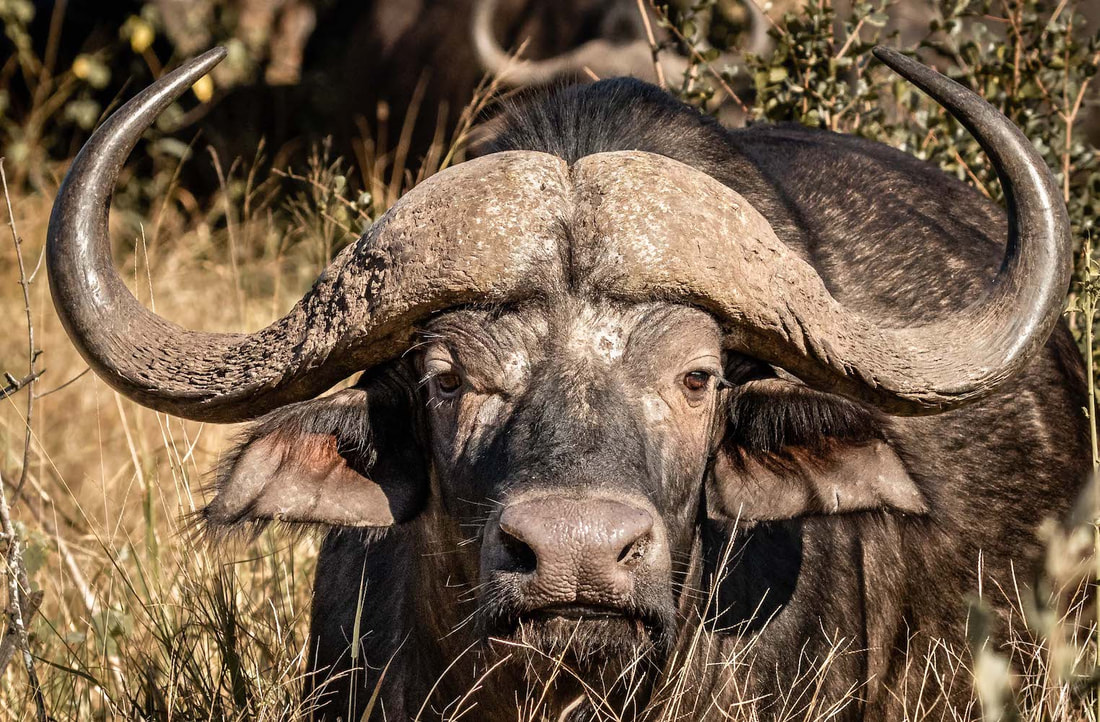
 Old post-mature bulls do not follow the breeding herds but stay in thicket bush in riverine habitats. These bulls are extremely temperamental and will charge nearby animals or humans for no apparent reason. The Cape Buffalo is one of the most tenacious herbivores in the animal kingdom. They are the largest sub-Saharan bovine and form part of the big five, meaning they are especially difficult to hunt on foot. Their average lifespan in their natural habitat is 15-18 years, which is remarkably shorter than it is in captivity. I am the great African Buffalo; I weigh 400-900 kilograms and stand 4-5 feet tall. This fact makes it easier for me to defend myself and my herd against predators, which include lions and wild dogs. Our herds consist of 1000-5000 Buffaloes and have both male and female hierarchies. We are protective over our family and will defend and protect each other if necessary. Built with enough stamina and strength to fight a lion; and an instinct to take care of our blind or injured, no family member is consciously left behind. Our kind is not territorial because we are herbivores. If my favourite foods (grass and herbs) are not nearby, I may eat shrubs and trees. My water intake is quite high, therefore I must remain close to a water source during my travels. We commonly have poor eyesight and hearing but a good sense of smell which we use to find food. I often feed and travel in the morning or during the night and spend the rest of my day relaxing in shady areas. I sleep for an hour a day and sometimes enjoy swimming; I am an excellent swimmer which assists me in my travels to find food. We have an ability to identify human beings, with that said we never forget those who have hunted us. We have an exceptional memory and, in some instances, track hunters down and attack them to protect ourselves in the future. 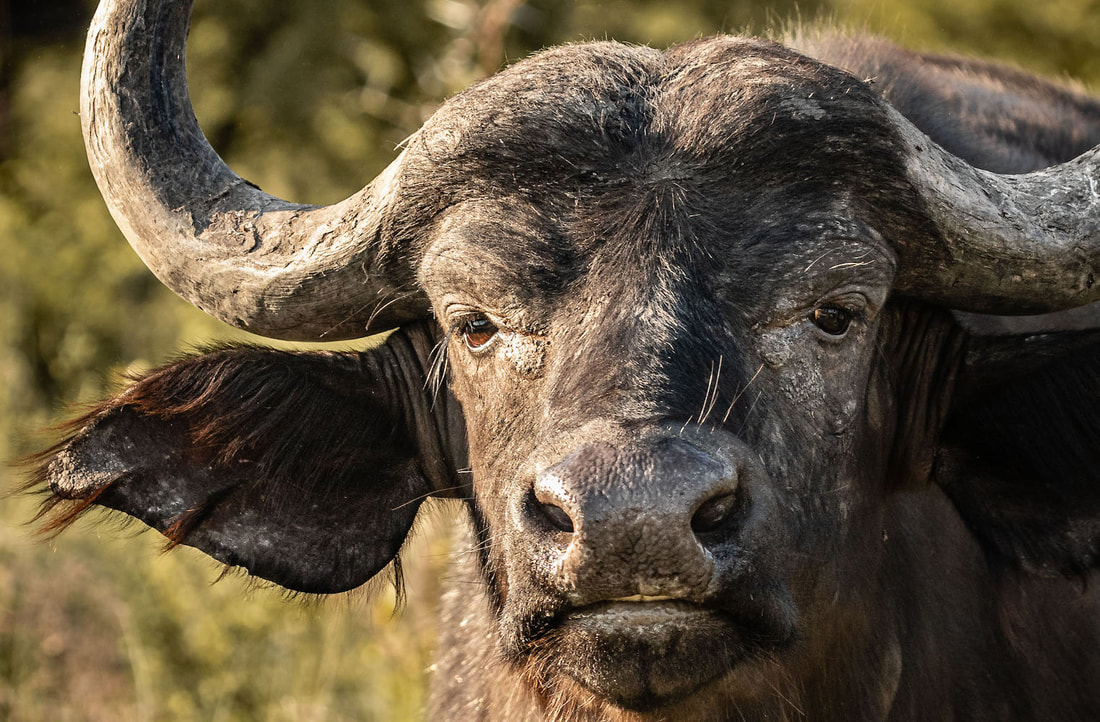 While the bosses of cows remain separate, the bosses of bulls increase in size with age and fuse at seven to eight years reaching a thickness of up to 25 cm. While the Cape Buffalo is not an endangered species and the population has increased by 10 000 each year since 2018; Their habitat is still threatened by fragmentation, this is caused by land being divided by unsustainable development. Other factors that could endanger buffaloes are diseases, predators, and poaching. Buffaloes assist in the maintenance of foot-and-mouth diseases which affect many bovine animal species. As in the case of any wildlife species, Wild and Free supports the preservation of the Cape Buffalo. Is the Cape Buffalo truly dangerous?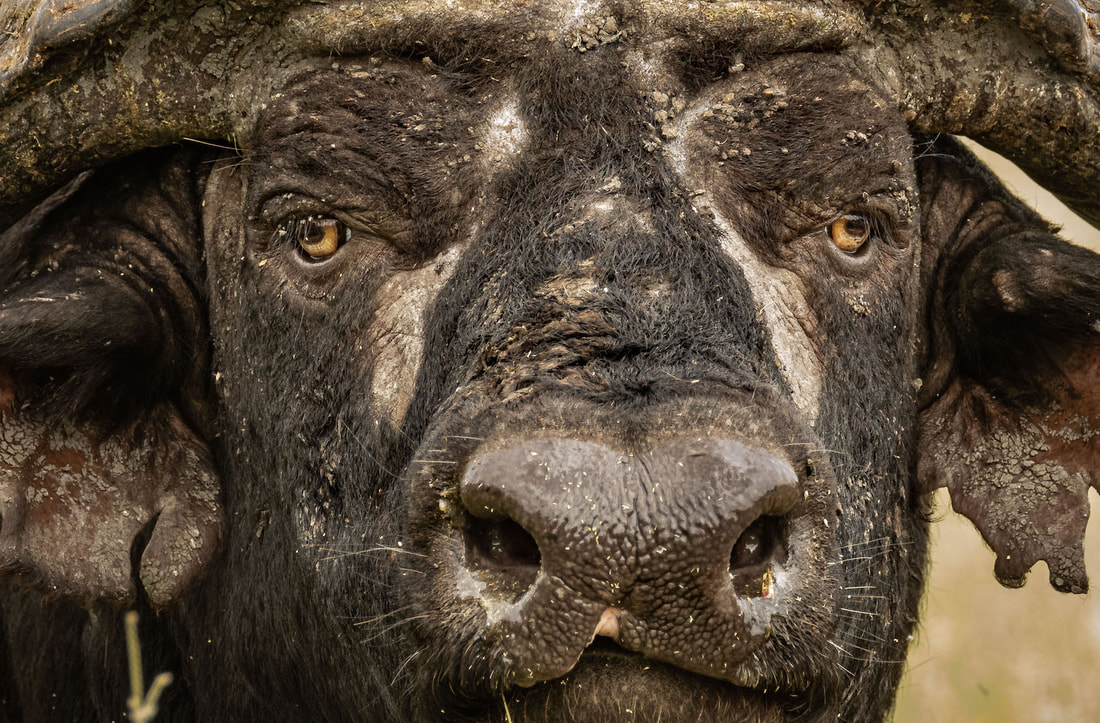 That depends on the situation. You should be OK if you mind your own business and keep away from their calves. Cape buffalo assaults are prevalent among Ugandan hunters, earning them the moniker "big five." Because of their aggressive behavior, they have been given titles such as "The Black Death" and "widowmaker." It is believed that about 200 people are killed by these animals each year, making them one of Africa's most hazardous species. Is it possible for a Cape Buffalo to kill a lion?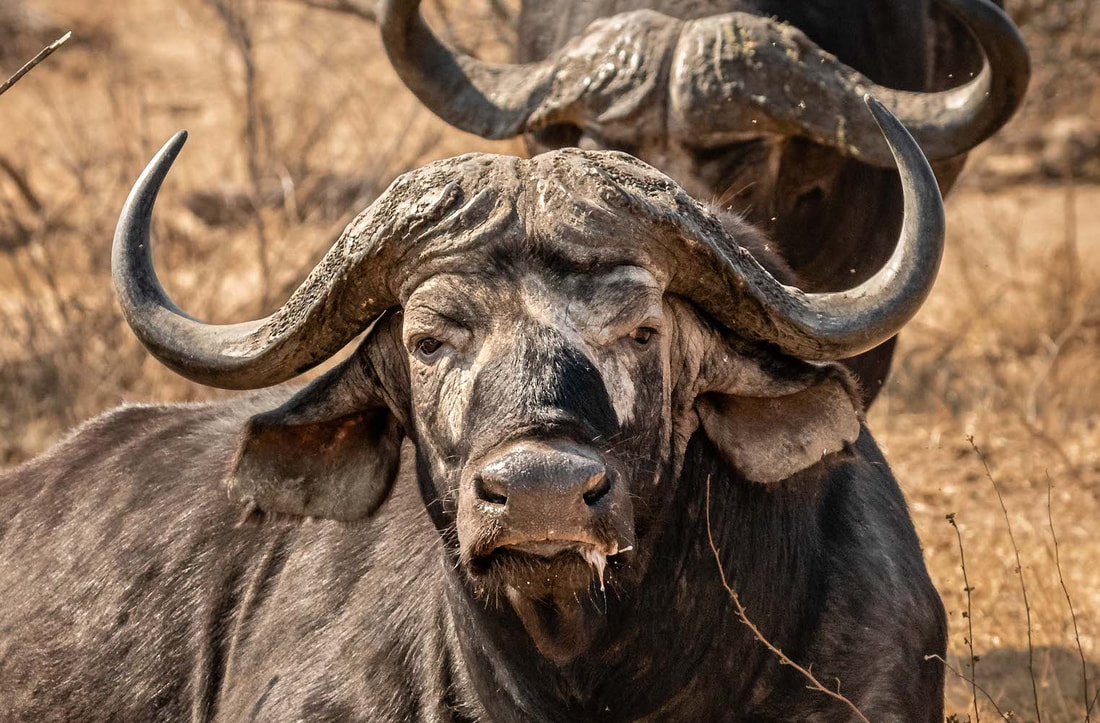 “It takes seasons of extensive nurturing and love for a formidable strength to be birthed. Not within the aspects of individualism but through the foundations of trust and family.” - WFF Lions are nature's most fearsome hunters. They have big, sharp teeth, can run 91.4 meters (100 yards) in roughly six seconds, and rarely travel alone. It may surprise you that the African Cape buffalo can go toe-to-toe with a lion, culminating in a deadly combat. It has been sometimes reported on how the hunter becomes the prey. African lions kill Cape Buffalo seldom, but when they do, they must put up a strong fight. When a Cape Buffalo is alone, it generally takes three lions to bring it down. The buffalo's enormous size and weight make it extremely difficult for a lion to leap on, let alone kill. Is it permissible to hunt Cape Buffalo? What does it taste like?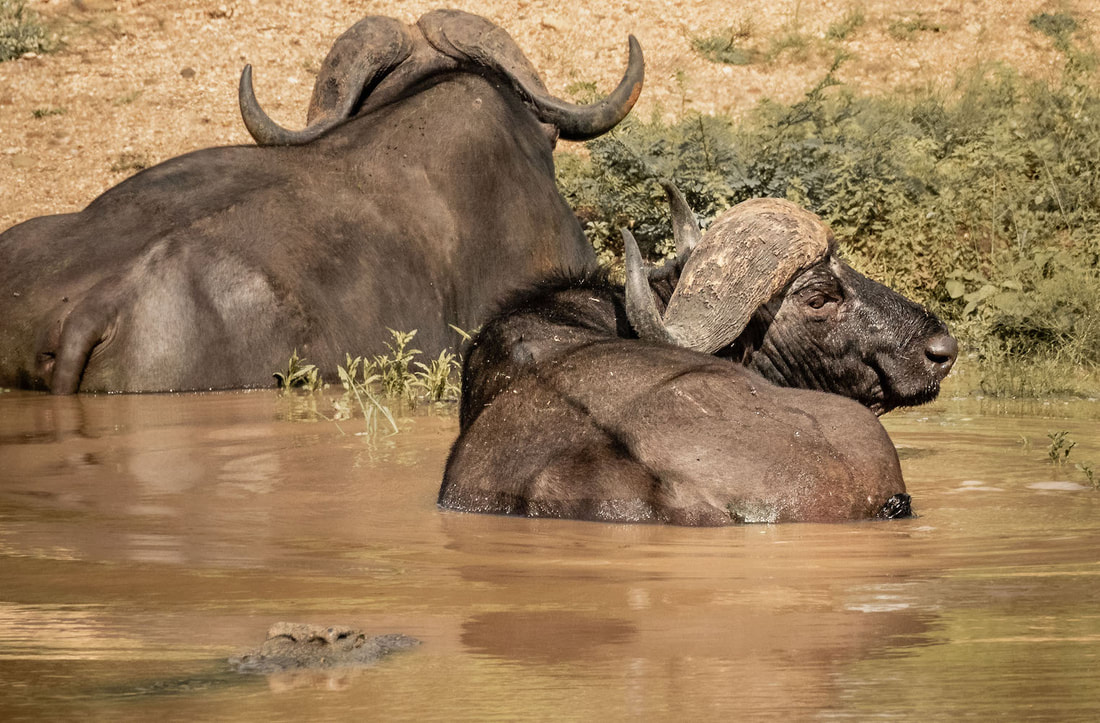 Buffalo are always found close to surface water and inhabit riverine and marshy areas and drainage lines. They drink 30-40 litres of fresh water once or twice a day and take frequent mud baths, rolling around until the majority of skin is covered. Because of their large number, it is legal to shoot Cape buffalo... However, it is not free. With a trophy price of $10,000 on average, you'd best be ready for a battle. Hunting does not threaten the species, however it is typically frowned upon owing to their aggressive behavior. Every year, many of hunters are murdered while hunting cape buffalo. According to reports, it tastes like tougher, leaner meat than farmed beef. However, selling the meat after you've hunted it is prohibited. Comments are closed.
|